
A Mietmakler is a rental broker or letting agent who helps connect landlords and tenants. In simple terms, this person or agency supports the rental process by marketing a property, arranging viewings, handling communication, and guiding both sides toward a signed lease. The term is most often understood in German-speaking real estate settings, where people may use it when talking about apartment rentals, brokerage fees, tenant searches, or the practical steps involved in renting a home.
For many people, the idea sounds straightforward at first, but the real role can be broader than expected. A rental broker may help a landlord fill a vacant unit faster, or help a tenant navigate a competitive housing market with less stress. At the same time, many renters want to know whether using one is worth the money, what services are included, and who is responsible for paying the commission. Understanding that balance is the best way to see where this kind of professional fits into the rental market.
What the Term Mietmakler Really Means
The word combines two ideas: “Miete,” which relates to rent or tenancy, and “Makler,” which means broker or agent. So the basic meaning is a real estate intermediary who works specifically with rental property rather than property sales. In everyday use, people may also think of this role as a rental agent, apartment broker, or letting specialist. The exact title can vary by country, company, or local market, but the central task stays the same: helping a rental agreement come together.
This role matters because renting is often more complicated than simply finding a listing online. A landlord may need help screening interest, organizing appointments, and presenting the unit clearly. A renter may need support understanding the application process, comparing offers, or moving quickly in a tight market. That is where a rental intermediary can add value. Even when the tasks seem simple, the ability to coordinate them smoothly can save time and reduce friction for everyone involved.
The Main Role in the Rental Process
A Mietmakler usually sits between the property owner and the person looking for a place to live. That does not mean the broker replaces either side. Instead, the broker acts as a professional middle point who handles communication, logistics, and process steps that would otherwise take up a lot of time. In busy cities especially, that work can become demanding because a single listing may receive many inquiries in a short period.
The role often begins before a property is even shown. The broker may help prepare a listing, collect details about the apartment, highlight key features, and decide how it should be presented to attract suitable applicants. After that, the work often includes answering questions, arranging viewings, checking paperwork, and helping both sides move from initial interest to final agreement. While the final legal relationship remains between landlord and tenant, the broker can make the path to that agreement much more organized.
ALSO READ THIS :- Ella Grace Hartwell: How Keshia Knight Pulliam Balances Family and Career
Common Services a Rental Broker May Offer
A typical service package can vary, but it often includes work such as:
- creating and publishing the rental listing
- answering inquiries from potential tenants
- organizing and conducting property viewings
- pre-screening applicants and reviewing documents
- helping explain lease terms and rental conditions
- supporting communication between tenant and landlord
- reducing delays during the application and handover stage
These services are useful because they turn a scattered process into a more manageable one. For landlords, that can mean less administrative pressure. For renters, it can mean clearer guidance and faster responses during a stressful housing search.
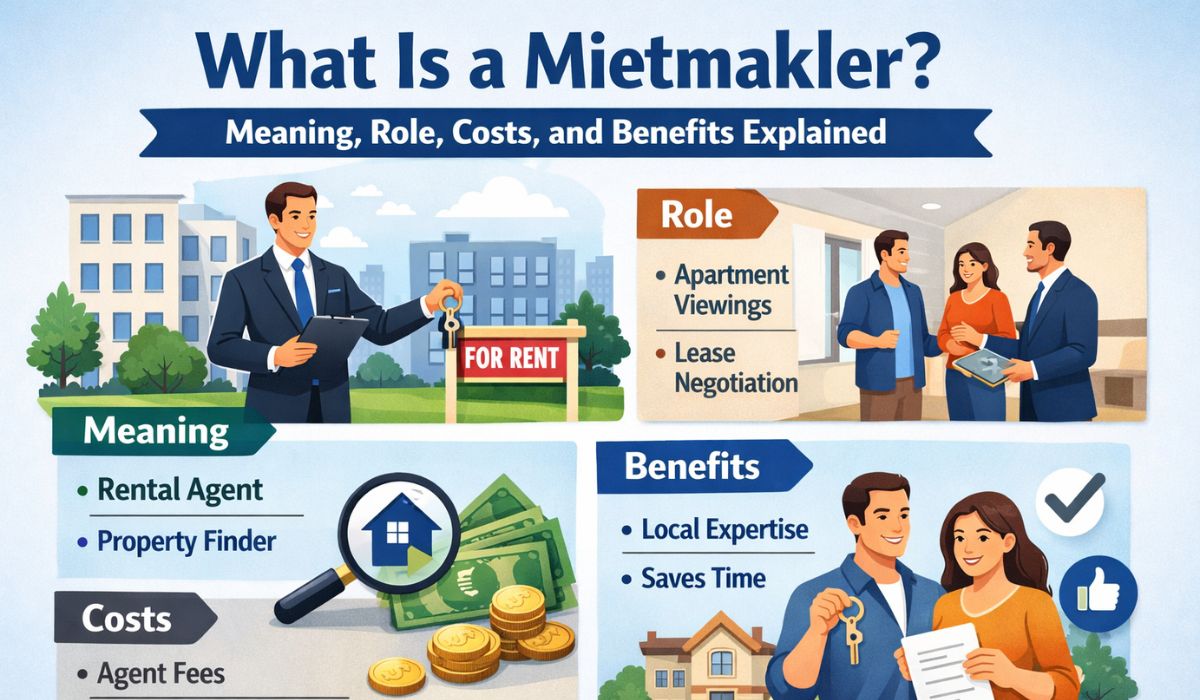
How Mietmakler Help Landlords
For property owners, one of the biggest benefits is efficiency. Advertising a rental, replying to dozens of messages, scheduling visits, and checking applicants can take a great deal of time. A broker can take over much of that work and create a more structured process. This is especially helpful for owners with multiple properties, owners who live far from the rental unit, or people who simply do not want to handle every part of the search themselves.
Another advantage is market knowledge. A good rental broker often understands local price expectations, demand patterns, and presentation strategies. That can help a landlord set a reasonable rent, avoid weak listings, and attract applicants who are a better fit. The value is not just in finding any tenant quickly, but in managing the process in a way that feels professional, organized, and less risky.
How Mietmakler Help Tenants
Renters may also benefit, although the value can look different from the landlord side. A broker may help identify suitable homes, explain the local process, answer practical questions, and make it easier to navigate a market where properties disappear fast. For people relocating to a new city or country, this support can be especially useful. Language barriers, unfamiliar paperwork, and different rental customs can all create confusion, and a broker can reduce some of that pressure.
There is also a convenience factor. Instead of handling every step alone, a tenant may get clearer communication, more organized viewing appointments, and faster movement through the process. That does not guarantee a successful application, of course, but it can improve the overall experience. In highly competitive markets, good organization often matters almost as much as speed, and that is one of the areas where a skilled intermediary can make a real difference.
Costs, Fees, and Commission Questions
The cost of using a Mietmakler is one of the most common concerns. In general, the fee structure depends on local rules, the type of service provided, and who hired the broker in the first place. In many modern rental systems, the key question is simple: who gave the broker the job? If the landlord hired the broker to market the apartment and find a tenant, the landlord is often the one expected to cover the fee. If a tenant specifically hires a broker to search on their behalf, then the tenant may be responsible for payment.
This is why it is important to understand the agreement before moving forward. People should never assume that the fee situation is obvious. A renter should ask what service is being provided, whether there is a search mandate, and under what condition a commission becomes due. A landlord should also ask exactly what is included in the service, from advertising and viewings to applicant selection and lease support. Clear terms at the start can prevent frustration later.
When Hiring One Makes Sense
Using a rental broker is not always necessary. In some markets, many landlords list properties directly and many tenants find homes without professional help. But there are situations where a broker makes clear sense. A landlord may need help because demand is high and time is limited. A tenant may need support because the local rental process feels unfamiliar, the schedule is tight, or the market is extremely competitive.
It can also make sense when the property itself needs more careful positioning. Higher-end rentals, furnished units, relocation cases, and cross-city moves often benefit from stronger coordination. In those cases, the value is not only about access to listings. It is also about reducing confusion, improving communication, and keeping the process moving. When time, distance, or complexity becomes a problem, this type of support can be worth serious consideration.
ALSO READ THIS :- Elizabella Dylan Bugliari Biography: Alyssa Milano’s Daughter, Age, and Background
Possible Downsides and Risks
Even though the service can be useful, there are also limits. A broker cannot guarantee that a tenant will get the apartment or that a landlord will always find the perfect applicant right away. Some people may feel that the extra layer slows communication or creates added cost without enough benefit. Others may have a poor experience if the broker is unresponsive, unclear, or focused more on speed than quality.
That is why choosing carefully matters. A good professional should communicate clearly, explain costs in plain language, and define their role early. If the terms are vague or the process feels rushed, it is wise to pause and ask questions. The best rental experiences usually happen when expectations are clear from the beginning and both sides understand who is handling what.
What to Look for in a Good Mietmakler
A strong rental broker is not just someone who posts ads and books viewings. The more useful traits are professionalism, local knowledge, responsiveness, and honesty. Good communication matters a lot because both tenants and landlords often make quick decisions under pressure. People want direct answers, realistic expectations, and a process that feels transparent rather than confusing.
It also helps when the broker understands practical details, such as how to present a property, which applicants are likely to be a strong fit, and what paperwork typically matters in the market. Trust grows when the broker explains the process simply instead of hiding behind technical language. In the end, people usually remember not only whether the rental was completed, but also whether the process felt fair, efficient, and easy to follow.
Final Thoughts
A Mietmakler is best understood as a rental broker who helps bring landlords and tenants together in a more organized way. The role can include marketing a property, handling inquiries, arranging viewings, reviewing applications, and supporting the path toward a lease. For some people, that service is highly valuable. For others, it may only be useful in specific cases. The right choice depends on the market, the level of support needed, and the cost involved.
What matters most is clarity. Anyone working with a rental broker should understand the service, the responsibilities, and the fee structure before moving forward. When expectations are clear, this type of professional can save time, reduce stress, and make the rental process smoother for everyone involved. That is why the term continues to matter in discussions about renting, housing access, and real estate support across German-speaking property markets.
FAQs
1. What does Mietmakler mean in simple words?
It means a rental broker or letting agent. This is a person or company that helps connect landlords with tenants and supports the rental process from listing to agreement.
2. Does a Mietmakler work for the tenant or the landlord?
It can be either, depending on who hired the broker. In many cases, the broker works mainly for the landlord, but some renters also hire one for help finding a property.
3. Is a Mietmakler only for apartments?
No, the role is most often connected with apartments, but it can also apply to other rental properties. Depending on the market, that may include houses, furnished rentals, or certain commercial spaces.
4. Do tenants always have to pay the broker fee?
No, not always. Payment depends on the agreement, the local legal framework, and who requested the broker’s service in the first place. That is why checking the terms early is very important.
5. Can I rent a home without using a Mietmakler?
Yes, many people rent directly from landlords or through property platforms. A broker is optional in many situations, but it may be helpful when the market is competitive or the process feels complex.
6. How do I know if a Mietmakler is worth it?
Think about time, stress, and the difficulty of your search. If you need guidance, faster coordination, or help handling the rental process, the service may be worth the cost. If your market is simple and direct listings are easy to find, you may not need one.
FOR MORE CONTENT: CLOCKMAGAZINE