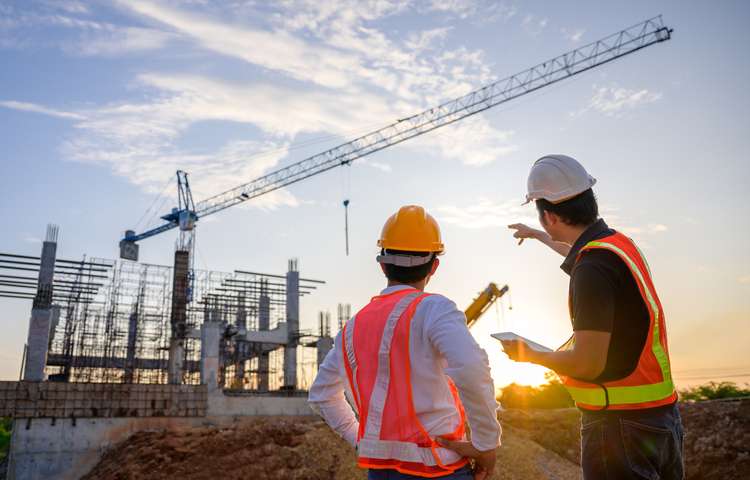
London’s construction industry is changing. Homeowners are more informed than they used to be. They have done their research, they know what good projects look like, and they are less willing to accept the delays and budget surprises that used to be considered normal. That shift in expectations is pushing more people towards a smarter way of working. At design and build london, we have watched this change happen over the years and it is not slowing down. Design and build is becoming the preferred approach for London homeowners who want their projects done properly, on time, and without the usual stress.
The reasons for that are practical, not just theoretical. When one team handles everything from the initial design to the final coat of paint, the whole experience is different. Cleaner, faster, and far less frustrating for everyone involved.
The Old Way of Building Is Showing Its Age
For decades, the standard approach was to hire an architect first, get your drawings done, and then find a contractor to price and build the work. That model made sense when projects were simpler and when information moved slowly. But it creates too many problems in the way London builds today.
Separate teams mean separate priorities. The architect wants the design to be built exactly as drawn. The contractor wants to finish on time and protect their margin. The homeowner wants both, plus a price that does not change halfway through. When those three parties are not aligned from the start, conflict is almost inevitable.
Design and build puts everyone on the same side. There is no blame shifting between designer and builder when something goes wrong. One team owns the whole outcome, which means they have every reason to get it right.
London’s Housing Stock Needs a Smarter Approach
A large part of what makes London building projects complicated is the housing stock itself. Victorian terraces, Edwardian semis, interwar semis, purpose built flats, converted houses. Every property type comes with its own structural quirks, planning constraints, and design challenges.
Working on a rear extension on a Victorian terrace in Hackney is a completely different proposition from extending a 1930s semi in Bromley. The foundations are different, the roof structure is different, the party wall situation is different. A team that designs and builds these projects every day develops a depth of knowledge that a traditional split model simply cannot match.
That accumulated experience shows up in better designs, more accurate pricing, and fewer surprises on site. It is one of the main reasons design and build delivers better results for London’s older properties specifically.
Planning and Regulation Are Getting More Complex
Planning rules in London have always been complicated. But they are becoming more so. Permitted development rights change. Individual boroughs introduce their own policies. Conservation areas expand. Article 4 directions remove permitted development rights in certain streets without much notice.
A design and build team that works across London every day stays on top of all of that. They know what the current rules are, they know how different councils interpret those rules, and they know how to design projects that get approved first time rather than going back and forth through multiple rounds of consultation.
That knowledge saves time and money. A planning delay of three to four months is not unusual under the traditional model when applications are not properly prepared. An experienced design and build team reduces that risk significantly because they have been through the process hundreds of times before.
Client Expectations Have Permanently Shifted
People expect more transparency now. They want to know what their project will cost before it starts, not after. They want regular updates without having to chase anyone. They want problems flagged early, not when it is too late to do anything about them cheaply.
Those expectations are completely reasonable and a well run design and build service can meet all of them. Fixed price contracts, clear programme milestones, single point of contact, regular progress updates. These are things that should be standard on every project but often are not when design and construction are handled by separate parties.
Technology Is Making Integration Even More Effective
The tools available to design and build teams have improved significantly. Three dimensional modelling means clients can see exactly what their project will look like before work starts. Detailed cost planning software means budgets are built on real data rather than rough estimates. Project management platforms keep everyone informed in real time.
When design and construction sit within the same team, these tools work together rather than in parallel. The model used for design is the same one used for construction planning. The cost plan is updated in real time as design decisions are made. That level of integration was not really possible ten years ago and it is making design and build even more effective than it already was.
What This Means for Homeowners Planning Projects Now
If you are thinking about extending, converting, or renovating your London home, the case for choosing a design and build team has never been stronger. You get one point of contact, a clear price, a realistic timeline, and a team that is accountable for every part of the project from start to finish.
The construction industry in London is moving in this direction because it simply works better. And for homeowners who want their project done well without the usual headaches, that is exactly the point.