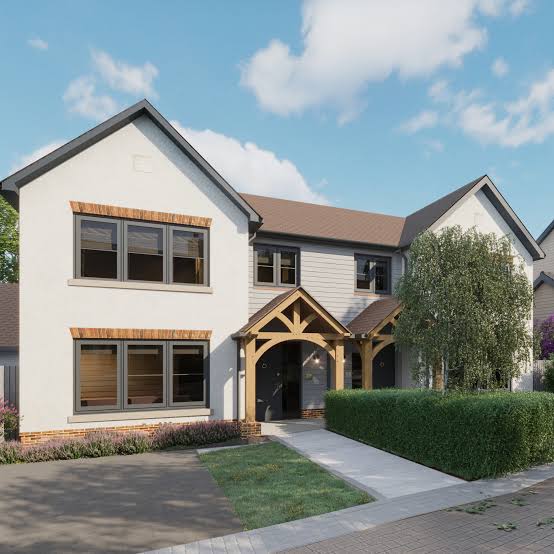
Walk down Carfax on any given morning and the clock tower’s already got a queue forming near it, independent coffee shops doing decent trade alongside the usual chain stores, stallholders setting up for the day. It’s not a town people only pass through on their way to somewhere else. People actually choose to live here, and for renters sizing up West Sussex, that’s worth sitting with for a moment. Spend any time looking and you’ll notice there’s real depth to quality rental homes through best letting agents in Horsham, everything from converted Victorian terraces near the centre to newer builds out towards the edges. Tenants aren’t stuck with one type of property wearing different paint colours.
What’s interesting is how Horsham manages to feel self-contained without being isolated. It’s roughly 40 minutes from London Victoria by train, which puts it firmly within reach for commuters, yet the town doesn’t function as a dormitory suburb in the way some places along that line do. People actually work here too, and that changes the rental market in subtle ways.
Location and Connectivity Shape Who Rents Where
Horsham railway station sits close enough to the town centre that walking is realistic for most renters, which is part of why properties within ten minutes of it tend to attract interest quickly. The Arun Valley and Mole Valley lines both run through, giving access not just to London but to Gatwick Airport and onward to Brighton, so renters working in aviation or hospitality have a genuinely useful option here. That’s not a small thing if your shifts don’t align with typical office hours.
The A24 and A264 also matter more than people expect when they’re flat-hunting online. Renters who drive regularly, perhaps to Crawley or further into Surrey, often prioritise properties near these routes over ones that are marginally closer to the centre. So the “best” location really depends on how someone gets to work, not just how pretty the street looks in photos. Areas like Broadbridge Heath sit slightly outside the main town but offer easier road access, and that trade-off appeals to a particular kind of renter who values driving convenience over a five-minute walk to the shops.
Neighbourhood Character Varies More Than You’d Think
Roffey, to the north of the town centre, tends to suit families and longer-term renters looking for more space and a quieter pace. The streets here are mostly residential, with semi-detached and detached houses that often come with proper gardens, something that’s increasingly difficult to find within the town centre itself. Compare that to the area around Springfield Road or the town centre conversions, where you’re more likely to find flats and smaller terraced properties suited to professionals or couples who want to walk everywhere.
Denne Park and the area towards Horsham Park offer something in between, close enough to amenities but with a slightly more settled, established feel. And then there’s the Forest area to the south, where newer developments have brought a different style of property altogether, often with more modern fittings and sometimes allocated parking, which isn’t always guaranteed with older town centre stock. Why does this matter for renters? Because choosing a neighbourhood in Horsham isn’t really about picking “Horsham” as a single entity. It’s about matching lifestyle to a specific pocket of the town, and that’s a decision better made with proper local knowledge than guesswork from a map.
Schools and Family Life Influence the Rental Conversation
Families renting in Horsham often factor school catchments into their search well before they start viewing properties, and that’s not unique to buyers. Forest Boys and Forest Girls schools have a strong local reputation, while Tanbridge House School and Millais School for girls also draw families towards certain postcodes. This pulls demand towards specific neighbourhoods, particularly around the southern parts of town and areas like Holbrook, where family-sized housing tends to cluster.
But it’s not only about secondary schools. Primary provision matters just as much for renters with younger children, and places like Greenway Academy or Castlewood Primary shape decisions about which streets feel right for a young family settling in for a few years. Renters without children sometimes overlook how much this school-driven demand shapes the wider rental landscape, but it does. It affects which properties come onto the market quickly and which areas have a more transient, short-term rental population versus a settled one.
Employment and Daily Life Beyond the Commute
Horsham isn’t simply a feeder town for London jobs, and that’s worth saying plainly. The town has its own employment base, with companies like Novartis and various insurance and financial services firms maintaining a presence locally. RSPCA’s headquarters sits on the edge of town too, which brings its own pocket of employees into the local rental pool. This local job market means a fair number of renters aren’t commuting anywhere at all; they’re working within a short drive or even walking distance of home.
That changes what people look for. Someone working locally might prioritise proximity to Horsham Park or the leisure centre over being near the station, because their daily routine doesn’t revolve around train times. So when you’re searching for a rental here, it helps to be honest with yourself about whether you’re optimising for commuting convenience or for actually living and working within the town. They’re not the same search, even if the postcode looks identical on a property listing.
Amenities That Renters Actually Use
Horsham Park deserves more credit than it usually gets in property write-ups. It’s not just a patch of green for dog walkers, though plenty use it that way; it hosts events, has a decent café, and sits right next to the museum and the Capitol arts centre, which runs a genuinely good programme of theatre and film. For renters who want some cultural life without needing to travel into Brighton or London for it, this is a real point in Horsham’s favour.
The Swan Walk and Piries Place shopping areas cover most day-to-day needs, and the weekly market adds something that purely retail-park towns simply don’t have. Sports facilities are solid too, with the Pavilions in the Park leisure centre offering swimming and gym access that renters in smaller surrounding villages would need to drive for. None of this is flashy, but it’s the kind of practical infrastructure that makes renting somewhere feel sustainable rather than just convenient on paper.
Final Thoughts
What stands out most about Horsham isn’t any single feature; it’s how the town avoids forcing renters into a single way of living. You can choose proximity to the station or proximity to green space, a period conversion or a newer build with parking, a family-oriented street or a quieter retreat further out. That flexibility is rarer than it sounds, particularly in towns this size within commuting distance of London. Renters who take the time to understand these distinctions, rather than treating Horsham as one homogenous postcode, tend to end up far happier with where they land. The town rewards a bit of local insight, and that’s something worth remembering before you commit to a viewing.