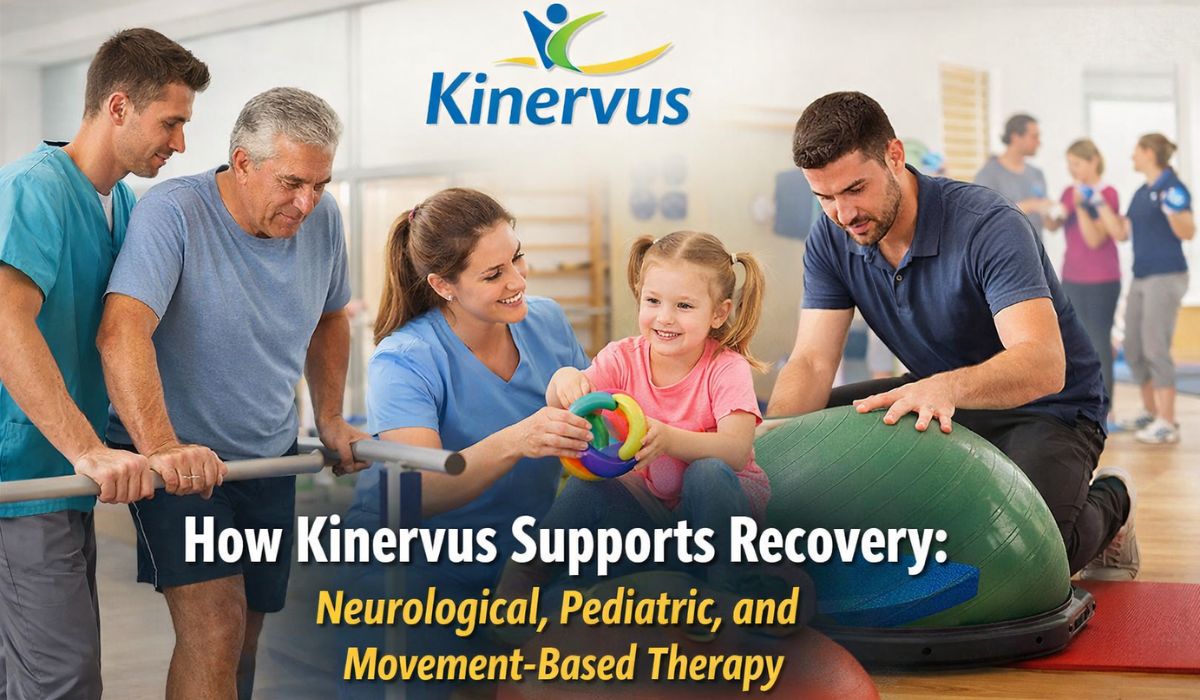
Kinervus is a therapy practice built around one clear idea: recovery works best when care is personal, practical, and closely matched to daily life. That matters because people do not come to therapy with the same goals. One person may want to walk with more confidence after a neurological event. Another may need help with balance, hand use, or endurance. A child may need support with motor development, coordination, or writing skills. In each case, progress depends on more than exercise alone. It depends on understanding how the body moves, how the nervous system responds, and how treatment can be shaped around real needs.
This is where Kinervus stands out. Its approach combines neurological rehabilitation, pediatric therapy, and movement-based support in a way that feels focused and human. Instead of using a one-size-fits-all plan, the practice centers care around the person in front of the therapist. That can mean working on small steps, such as posture, transitions, and hand control, or larger goals, such as independence, confidence, and long-term function. The result is a model of care that supports recovery in a meaningful and steady way.
What Kinervus Focuses on in Daily Practice
At its core, Kinervus is centered on rehabilitation and kinesitherapy, with strong attention to neurological recovery, pediatric support, manual lymph drainage, and guided group lessons. What connects these areas is a shared focus on function. Therapy is not treated as something separate from real life. It is used to help people handle everyday tasks more comfortably and effectively. That may include standing up more safely, turning in bed, improving arm use, managing fatigue, or supporting movement skills in children.
This practical focus makes the care model easier to understand and more useful for patients and families. Instead of only measuring recovery in clinical terms, the work is tied to everyday improvement. People want to move better, feel steadier, reduce discomfort, and stay engaged in life. Children need therapy that supports development without taking away the joy of learning through movement and play. By keeping goals grounded in real situations, the practice makes treatment feel relevant from the first session onward.
How Neurological Rehabilitation Supports Function
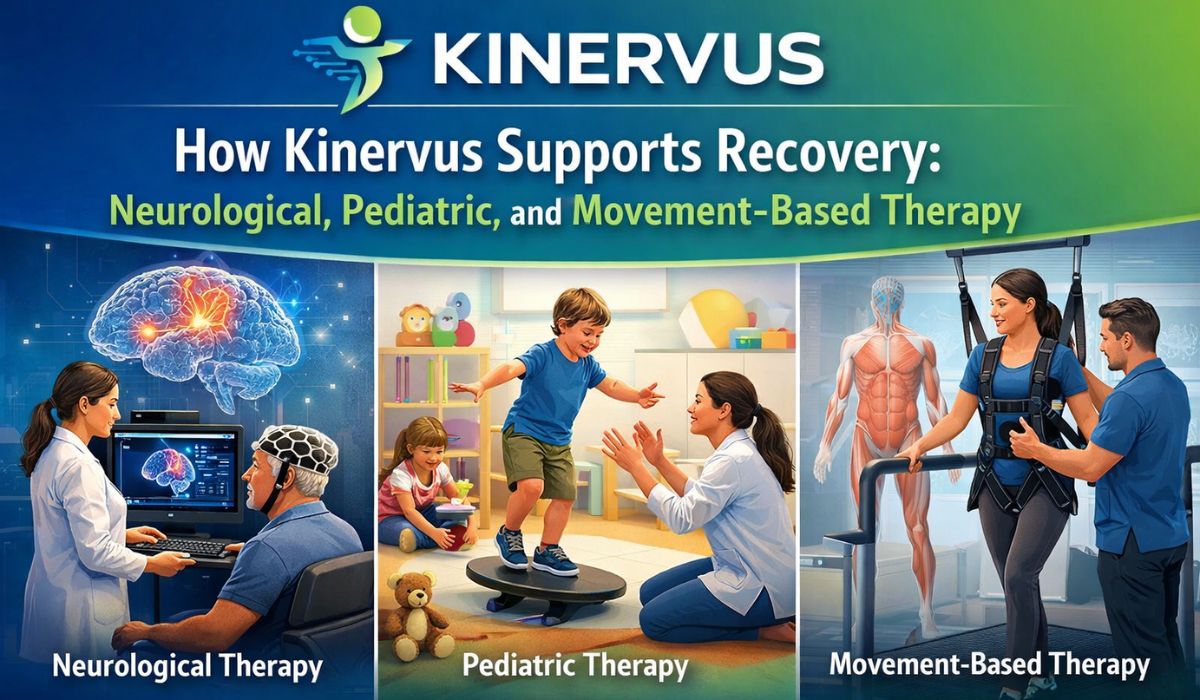
Neurological rehabilitation is one of the most important parts of the care offered at Kinervus. This kind of therapy is designed for people whose brains, spinal cords, or nervous systems have been affected by conditions that change movement, balance, coordination, or overall function. Recovery in these cases often requires careful, repeated practice. The aim is not just to exercise a body part, but to improve the way movement is organized and carried out in daily life. That is why therapy often focuses on tasks that matter outside the clinic, such as walking, reaching, turning, standing, and managing fatigue over the course of the day.
A strong neurological therapy plan also respects the fact that each condition affects people differently. Some people need to rebuild movement after a major event. Others live with ongoing conditions and need support to maintain function for as long as possible. In both cases, the work has to be targeted and realistic. Improvement may mean better endurance, more stable posture, safer transfers, improved coordination, or a stronger sense of control. Even when recovery is gradual, a structured plan can protect independence and improve quality of life.
Conditions and Challenges This Type of Care Can Address
The neurological side of treatment is especially relevant for people dealing with stroke recovery, multiple sclerosis, Parkinson’s disease, ALS, spinal cord injury, traumatic brain injury, neuromuscular conditions, peripheral nerve issues, and certain balance-related complaints. These conditions do not create the same symptoms, but they often affect the same areas of life. People may struggle with walking, fine motor control, strength, posture, balance, or the ability to complete ordinary routines without extra effort.
That is why movement-based rehabilitation matters so much. When therapy is tailored to the person, it can help break larger problems into manageable goals. A patient may work on getting up from the floor after a fall, improving stability while standing, using the weaker arm more effectively, or building enough endurance to get through the day with less fatigue. These goals may sound simple, but they are often the difference between dependence and confidence. Recovery becomes more meaningful when it improves what people can actually do in their own environments.
ALSO READ THIS :- Witelovers Overview: Meaning, Lifestyle Connection, and Digital Culture Relevance
Why Pediatric Therapy Needs a Different Approach
Children are not small adults, and pediatric rehabilitation should never feel like adult therapy made smaller. Young patients need treatment that supports development while respecting attention span, comfort, curiosity, and emotional safety. Kinervus appears to understand this well by using a creative and child-friendly approach. The goal is to help children improve movement skills while keeping sessions interactive and motivating. When children enjoy the process, they are more likely to engage fully and build skills over time.
This matters because motor development affects far more than movement alone. It can influence confidence, school participation, handwriting, play, body awareness, and social comfort. Some children need help with posture or side preference. Others may face broader motor delays, neuromotor conditions, coordination problems, or writing-related difficulties. Good pediatric therapy does not only correct a problem. It supports development in a way that fits the child’s stage, personality, and environment. That makes progress more natural and more sustainable.
The Value of Play, Motivation, and Family Awareness
One of the strongest ideas behind pediatric care is that progress grows faster when therapy feels engaging. Play is not a distraction from treatment. In many cases, it is the most effective way to deliver treatment. Through play, children practice movement patterns, coordination, control, and body awareness without feeling pressured by the process. This keeps sessions active and meaningful while also helping therapists observe how children move, respond, and adapt.
Family awareness is equally important. Children do best when the adults around them understand the goals of therapy and can support them in daily routines. That does not mean turning home life into a clinic. It means noticing posture, encouraging useful movement, supporting confidence, and giving children the right kind of help without removing all challenge. When therapists, families, and other professionals work in the same direction, progress becomes easier to maintain beyond the treatment room.
How Movement-Based Therapy Builds Confidence Over Time
Movement-based therapy is about much more than exercise. It helps people reconnect with skills that support independence, safety, and self-trust. A person who feels unsteady may begin to avoid certain tasks. A child who struggles with coordination may hesitate during school or play. Over time, these experiences can shape behavior, confidence, and participation. That is why movement work should be both physical and functional. It should help people move better, but also feel better about moving.
This is one reason structured therapy can have such a wide impact. Better balance can lower fear. Better posture can reduce effort. Better arm and hand use can improve practical independence. Better endurance can make daily life less exhausting. These are not small wins. They change how people move through the day and how willing they are to stay active. When recovery is approached in this way, therapy becomes a tool for rebuilding capability as well as confidence.
Highlights of the Kinervus Therapy Model
A few parts of the Kinervus model make its recovery approach especially easy to understand:
- Personalized treatment plans built around short-term and long-term goals
- Strong focus on neurological rehabilitation and functional daily movement
- Pediatric therapy designed to support motor development in a creative way
- Movement sessions that encourage motivation, consistency, and active participation
- Group lessons that mix physical training, education, and social support
- Attention to balance, posture, endurance, coordination, arm-hand use, and confidence
- A care style that aims to maintain or improve quality of life over time
Why Group Lessons Can Add Real Recovery Value
Recovery can feel lonely, especially for people managing neurological conditions over a long period. Group lessons can help by adding structure, variety, and social connection to the therapy experience. At Kinervus, group sessions appear to be built around guided exercise, repetition, and themes that match individual needs. This can be valuable because repetition supports learning, while group energy often improves motivation. People are more likely to stay consistent when sessions feel active, supportive, and well guided.
The social side also matters. Many patients benefit when they can move, learn, and share experiences with others facing similar challenges. That can reduce isolation and help people feel understood. Group work may also support confidence because patients can see progress in themselves while taking part in a shared setting. Whether the focus is balance, posture, boxing-based exercise, arm-hand work, conditioning, or core strength, the larger benefit is often the same: people stay engaged for longer, and steady engagement is one of the strongest drivers of progress.
ALSO READ THIS :- Eschopper Bike Features: A Simple Look at Performance and Style
A Broader View of Recovery and Long-Term Well-Being
Another important part of this care model is that it does not treat recovery as a short burst of effort followed by nothing. For many people, especially those with chronic neurological conditions, rehabilitation is about maintaining function and slowing decline as much as improving ability. That requires patience, consistency, and goals that can change over time. A good treatment plan makes room for all three. It responds to what the patient needs now while also preparing for what may be needed later.
This broader view is one reason Kinervus feels relevant in today’s therapy landscape. People are looking for care that is specific, supportive, and connected to real life. They want therapy that helps them move with more control, manage challenges with more confidence, and keep doing the things that matter to them. Whether the patient is a child developing motor skills, an adult rebuilding strength and coordination, or someone learning how to live well with a long-term condition, the same principle applies: recovery is strongest when therapy is personal, functional, and built around meaningful goals.
Final Thoughts
Kinervus supports recovery by combining neurological rehabilitation, pediatric therapy, and movement-based treatment into one practical care approach. What makes that approach valuable is not only the range of services, but the way those services are connected to daily function. Therapy is shaped around real needs, real challenges, and real goals. That makes the work easier to trust and easier to apply in everyday life.
For patients and families, that kind of care can make a major difference. It can improve movement, support confidence, and create a clearer path forward during recovery. Some gains may be small at first, but small gains often build into larger change over time. When therapy is targeted, supportive, and consistent, it gives people more than exercises. It gives them a better chance to move, participate, and live with greater comfort and independence.
FAQs
1. What is Kinervus mainly known for?
Kinervus is mainly known for rehabilitation and kinesitherapy, with a strong focus on neurological rehabilitation, pediatric therapy, movement support, and related care. Its approach appears centered on personalized treatment that helps patients improve or maintain daily function.
2. Who may benefit from neurological rehabilitation?
People with conditions that affect the brain, spinal cord, or nervous system may benefit from this type of therapy. That can include those recovering from stroke, living with Parkinson’s disease or multiple sclerosis, or dealing with injuries and movement-related neurological problems.
3. How is pediatric therapy different from adult therapy?
Pediatric therapy is built around child development, motivation, and playful engagement. It supports motor skills in a way that matches a child’s age, learning style, and emotional needs rather than simply adapting adult-style treatment.
4. Why is movement-based therapy important in recovery?
Movement-based therapy helps people practice useful physical skills that connect directly to daily life. It can improve balance, posture, coordination, endurance, and confidence, all of which support safer and more independent living.
5. Do group lessons really help with rehabilitation?
Yes, group lessons can be very useful when they are well structured and properly guided. They often improve consistency, motivation, repetition, and social connection, which can all support long-term recovery and well-being.
6. Is recovery always about getting back to the way things were before?
Not always. For some people, recovery means rebuilding lost skills, while for others it means maintaining current ability, reducing decline, or finding better ways to function in daily life. A strong therapy plan respects both possibilities and adjusts goals over time.
Background for the article was checked against Kinervus’s public service pages describing its Alken-based practice, neurological rehabilitation, pediatric rehabilitation, manual lymph drainage, and therapy group classes.
FOR MORE CONTENT: CLOCKMAGAZINE