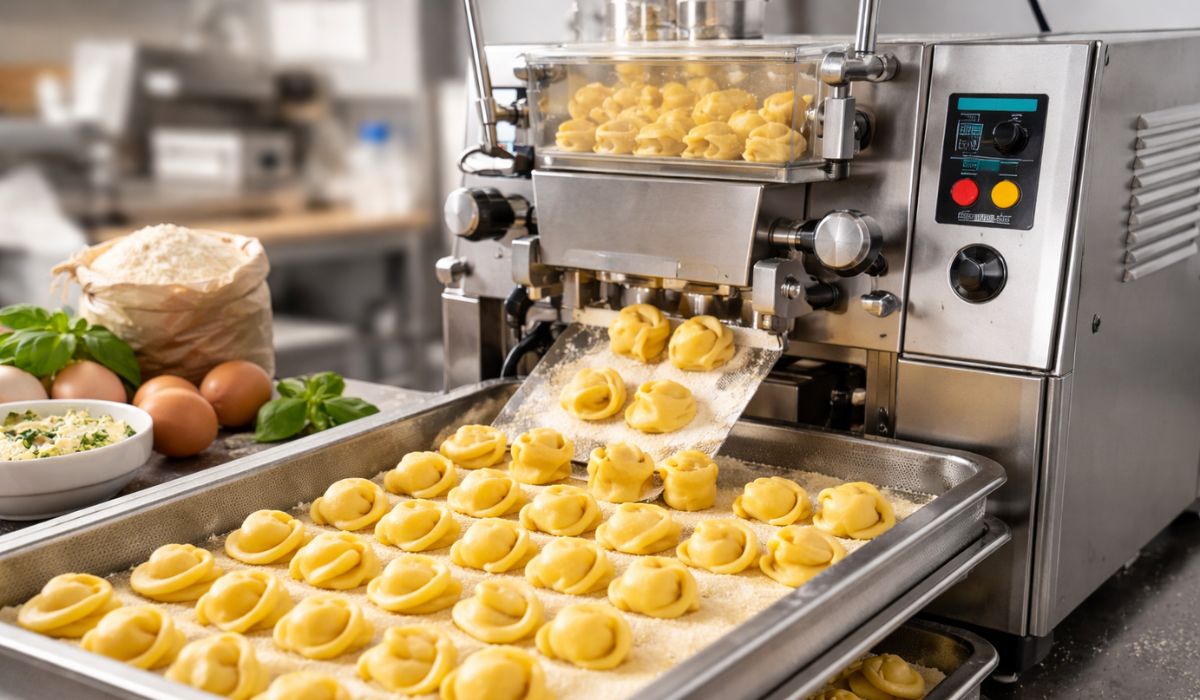
A tortellinatrice is a machine built to help make tortellini in a faster, more even, and more reliable way. While handmade tortellini still holds a special place in many kitchens, large demand, limited labor, and the need for steady output have made this type of equipment very important for modern pasta work. It is designed to handle delicate dough, place filling with control, shape each piece, and seal it so the pasta keeps its form during cooking. For restaurants, pasta shops, catering businesses, and food producers, the value of this machine is not just speed. It is also about consistency, waste control, and better daily workflow.
This guide explains what this equipment does, how it works, who it is best for, and what buyers should know before choosing one. It also looks at the practical side of production, including filling texture, dough balance, cleaning needs, and machine setup. Whether someone is simply trying to understand the term or is thinking about buying a tortellini-making unit for real use, the goal is the same: clear information in plain language that helps make better decisions.
What a Tortellinatrice Really Does
At its core, this machine automates one of the most detailed jobs in fresh pasta production. Tortellini may look small and simple, but every piece depends on correct dough thickness, proper filling amount, accurate folding, and a clean seal. If any one of those steps is off, the pasta may open during cooking, lose filling, stick together, or come out uneven in size. A tortellinatrice is built to reduce those problems by turning a skilled but repetitive hand process into a controlled mechanical one. That is why it matters so much in settings where quality must stay stable from batch to batch.
The machine is not there to replace craftsmanship completely. In many cases, it supports it. A good operator still needs to understand dough feel, filling moisture, and product goals. What changes is the level of repeatability. Instead of relying on hand speed and personal shaping skill for every single piece, the operator manages a system that can produce many tortellini with the same size, same fold, and similar cooking behavior. That balance between tradition and efficiency is one reason these machines continue to attract attention.
How the Machine Works Step by Step
Most units follow a similar process, even though their size and features may differ. First, prepared dough is fed into the machine, usually in the form of sheets or through a dough handling section that flattens it to the needed thickness. The dough must be smooth, elastic, and strong enough to hold shape without tearing. After that, the filling system places a measured amount of stuffing at regular intervals. This step is very important because too much filling can break the pasta, while too little can hurt both texture and product value.
Next comes the shaping and sealing stage. The dough is folded around the filling, pressed into form, and cut so each piece comes out with a finished structure. In a well-adjusted setup, the edge closes firmly without crushing the filling or drying the dough. The finished tortellini then drops onto a tray, belt, or collection area for dusting, cooling, cooking, freezing, or packaging. What looks quick from the outside is really a chain of small mechanical actions working together with tight timing.
The Main Parts That Control Performance
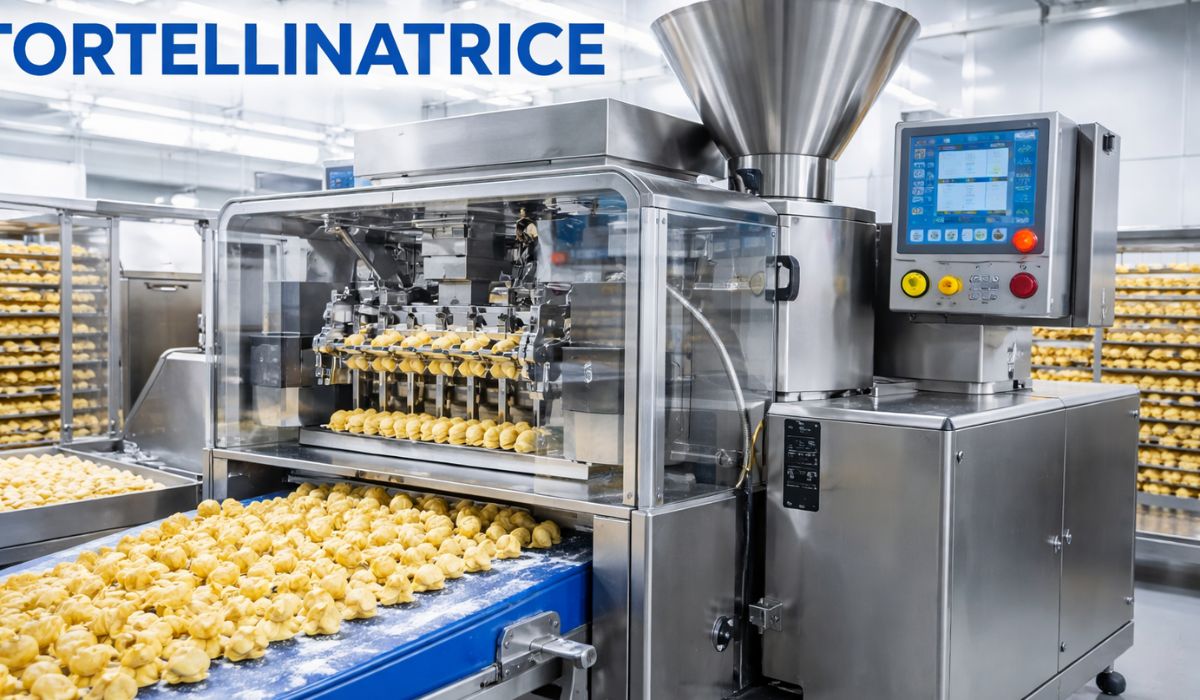
To understand why one model performs better than another, it helps to look at the main working sections. The dough feed area controls sheet movement and thickness. The filling system controls dose size and product balance. The mold or shaping section gives the pasta its form. The cutting and sealing parts finish the piece and help prevent leaks. Around these core sections, many machines also include speed controls, safety covers, removable parts, and adjustment points that let the operator fine-tune results.
A machine can only perform as well as these parts work together. If the dough feed slips, the filling may miss its mark. If the filling texture is too loose, the seal may fail. If the mold pressure is too high, the product may look neat but feel dense or damaged. Good performance comes from coordination, not from one feature alone. That is why experienced users often pay close attention to the small things: ease of adjustment, steady feed, strong construction, and cleaning access. Those practical details often matter more than flashy claims.
ALSO READ THIS :- What Is InSnoop? A Complete Guide to Features and Benefits
Dough and Filling Matter Just as Much as the Machine
No tortellini-maker can fix poor dough or unstable filling. The dough must be thin enough to form attractive tortellini but strong enough to handle filling pressure and folding. If it is too dry, it may crack. If it is too soft, it may stretch or stick. The filling also needs balance. A wet mix can smear or leak. A rough or chunky filling can interrupt shaping and create weak seals. In real production, many problems that seem like machine failure are actually recipe or prep issues.
For that reason, good results usually come from testing. Operators often adjust flour mix, dough rest time, sheet thickness, filling texture, and feed speed until the product runs smoothly. This is especially true when switching from one recipe to another, such as moving from cheese filling to meat or vegetable filling. Each recipe behaves differently inside the system. The best output comes when the machine setup and the food formula support each other instead of working against one another.
Where This Equipment Is Most Useful
This type of machine is especially useful in places where tortellini is made often enough that manual work becomes slow, costly, or difficult to scale. Small pasta shops may use one to maintain product quality during busy periods. Restaurants may need it when fresh stuffed pasta is part of the menu and demand changes from day to day. Catering operations may benefit from faster prep with fewer shape differences. Larger food businesses depend on it even more because they need uniform product that cooks and packs the same way in every batch.
It also matters in businesses that want a more professional production rhythm. Handmaking tortellini can be beautiful, but it takes time, skill, and labor that not every kitchen can support. A tortellini production machine helps reduce pressure during long prep sessions and allows teams to focus on recipe quality, finishing, storage, and service. In that sense, it is not only a shaping tool. It becomes part of a wider process that supports planning, product control, and better use of staff time.
Key Operational Highlights
When buyers or operators compare different models, they often focus on a few practical points that affect daily use the most:
- production speed and output stability
- dough thickness control
- filling portion accuracy
- sealing quality during long runs
- ease of disassembly for cleaning
- material strength, especially food-contact surfaces
- changeover time between recipes
- machine footprint and workspace fit
- ease of training for new staff
- service support and parts availability
These points are useful because they connect directly to real kitchen and production needs. A machine may look impressive, but if it takes too long to clean, wastes filling, or needs constant adjustment, it can slow the whole operation. The best model is usually the one that fits the user’s daily volume, recipe style, and staff skill level rather than the one with the biggest headline output.
Choosing the Right Model for Your Needs
Choosing the right unit starts with a simple question: how much tortellini do you need to make, and how often? A small operation may only need moderate output with easy controls and a compact footprint. A growing pasta shop may want more flexibility for different fillings and more stable performance over longer shifts. A larger producer may care most about high capacity, repeatable results, and integration with other equipment like sheeters, conveyors, cooling systems, or packaging lines. Buying without understanding your own workflow often leads to overpaying or underbuying.
Space, power needs, cleaning routine, and operator skill also matter. Some buyers focus heavily on speed but forget to ask how long it takes to switch recipes or wash food-contact parts. Others buy a large unit only to find that the dough prep station or filling process cannot keep up with it. The smartest choice is usually the one that matches the full process from prep to finished product. The machine should fit the business, not force the business to change in unrealistic ways.
Common Problems and How to Prevent Them
Even a strong machine can run into trouble if setup and maintenance are ignored. One common problem is poor sealing, often caused by incorrect dough moisture, too much filling, or worn shaping parts. Another issue is product sticking, which may happen when dough is too soft, surface flour is poorly managed, or the machine runs hotter during long use. Uneven shape may come from feed inconsistency, weak calibration, or recipe changes that were not matched with new settings. These issues are frustrating, but most are preventable with careful monitoring.
Regular inspection helps a lot. Operators should check whether dough sheets are moving evenly, whether filling remains stable in texture, and whether the product still looks the same after extended runs. Cleaning also plays a big role in prevention because leftover dough or filling can affect movement, hygiene, and seal quality. A good routine does not need to be complicated, but it should be consistent. The businesses that get the best results are often the ones that treat the machine as part of a system, not as a magic fix.
ALSO READ THIS :- Who Is Scott Porter Holden? A Deep Dive Into His Biography and Background
Cleaning, Maintenance, and Long-Term Value
A tortellinatrice works with fresh dough and filling, so hygiene must always stay a top priority. Any machine in contact with food needs regular cleaning, especially around filling paths, shaping parts, cutting zones, and removable guards. Easy access to these areas can make a major difference in daily use. If cleaning takes too long or requires too much effort, staff may delay it, and that can lead to buildup, product issues, and unnecessary risk. Ease of sanitation is not a minor feature. It is a major part of long-term value.
Maintenance matters just as much. Parts that move, press, or cut will wear over time, and even strong machines need checks, adjustment, and occasional replacement pieces. The true cost of ownership is not just the purchase price. It includes downtime, cleaning labor, training, repair access, and product loss from poor performance. A reliable model with clear maintenance needs and available support may cost more at the start, but it often saves money and stress over the long run.
Final Thoughts
A tortellinatrice is far more than a simple pasta gadget. It is a production tool designed to bring order, consistency, and efficiency to one of the most delicate forms of filled pasta. When used well, it helps control size, shape, filling amount, and sealing quality while reducing labor pressure and supporting steady output. That makes it useful for many kinds of operations, from artisan pasta shops to larger commercial kitchens and food producers. Still, the best results do not come from the machine alone. They come from good dough, balanced filling, smart setup, and proper cleaning.
For anyone interested in tortellini production, understanding how this equipment works is the first step toward making better choices. It is not necessary to buy the largest or most advanced model to get good results. What matters most is finding a machine that matches your production goals, available space, recipe style, and team skill. When those pieces come together, the result is better pasta, fewer errors, and a smoother path from prep table to finished plate.
FAQs
1. What is a tortellinatrice used for?
It is used to automate the making of tortellini. The machine helps with dough handling, filling placement, shaping, and sealing so the finished pasta comes out more even and production moves faster.
2. Can a tortellini-making machine replace handmade tortellini completely?
Not always, and that is not always the goal. Many businesses use it to support production volume while still keeping recipe quality and a traditional fresh pasta style.
3. Does the machine work with every type of filling?
It can handle many fillings, but texture matters a lot. If the filling is too wet, too chunky, or poorly mixed, it may affect dosing, sealing, and final shape.
4. Is this equipment only for large factories?
No, smaller operations may use it too. Some pasta shops, restaurants, and specialty kitchens choose compact or medium-capacity models that fit their daily needs.
5. Why does tortellini sometimes open during cooking?
This often happens because of weak sealing, bad dough balance, or too much filling. Poor machine adjustment can also contribute, but recipe and prep issues are very common causes.
6. What should buyers check before purchasing one?
They should look at output needs, space, cleaning access, recipe flexibility, material quality, and support after purchase. A good fit for the workflow is usually more important than just choosing the fastest model.
FOR MORE CONTENT: CLOCKMAGAZINE