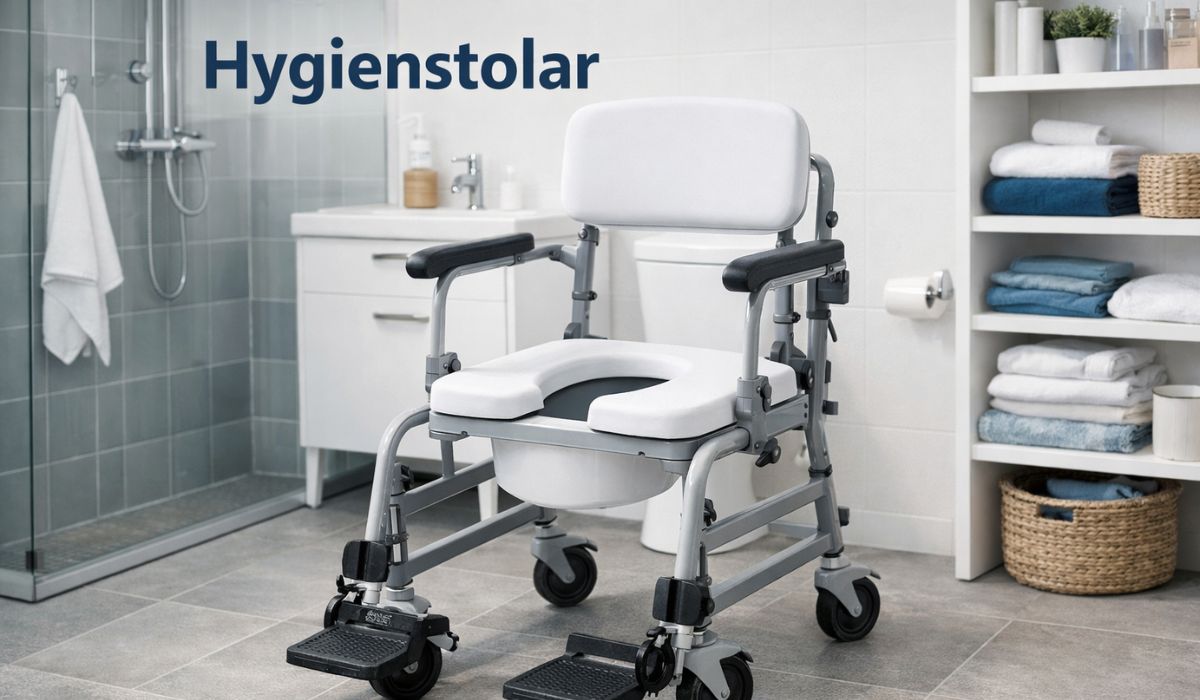
Choosing the right Hygienstolar can make a big difference in daily comfort, safety, and ease of care. These chairs are designed to support showering, toileting, and other hygiene needs for people who have limited mobility, reduced balance, weakness, or a need for caregiver support. A good model does more than provide a seat. It helps reduce strain, supports dignity, improves movement in wet spaces, and makes regular routines less stressful for both the user and the caregiver.
Many buyers feel unsure when they first start comparing options because these chairs can look similar at a glance. In reality, there are important differences in size, frame shape, wheel design, seat opening, arm support, tilt function, and cleaning needs. Some are best for home bathrooms, while others are built for hospitals, care homes, or people with more complex support needs. This guide explains the main points to check before buying so you can choose a safe and practical option with confidence.
What Hygienstolar Are and Why People Use Them
Hygienstolar are hygiene chairs made for washing, toileting, and related care tasks in settings where standing safely may be difficult. Some models work as shower chairs. Others also act as commode chairs or can be moved over a toilet. In many cases, the chair helps the user remain seated during personal care, which lowers the risk of slipping and supports a more stable routine in wet bathroom spaces. This is especially important for older adults, people recovering from illness, users with disabilities, and those who need help from a caregiver.
These chairs are also valued because they support dignity and smoother daily care. A well-designed model can make transfers easier, reduce lifting strain, and give the caregiver better access during washing or toilet support. In professional care settings, that can improve comfort and workflow. In home settings, it can make the bathroom feel more manageable and less risky for everyone involved.
Key Features to Check Before You Buy
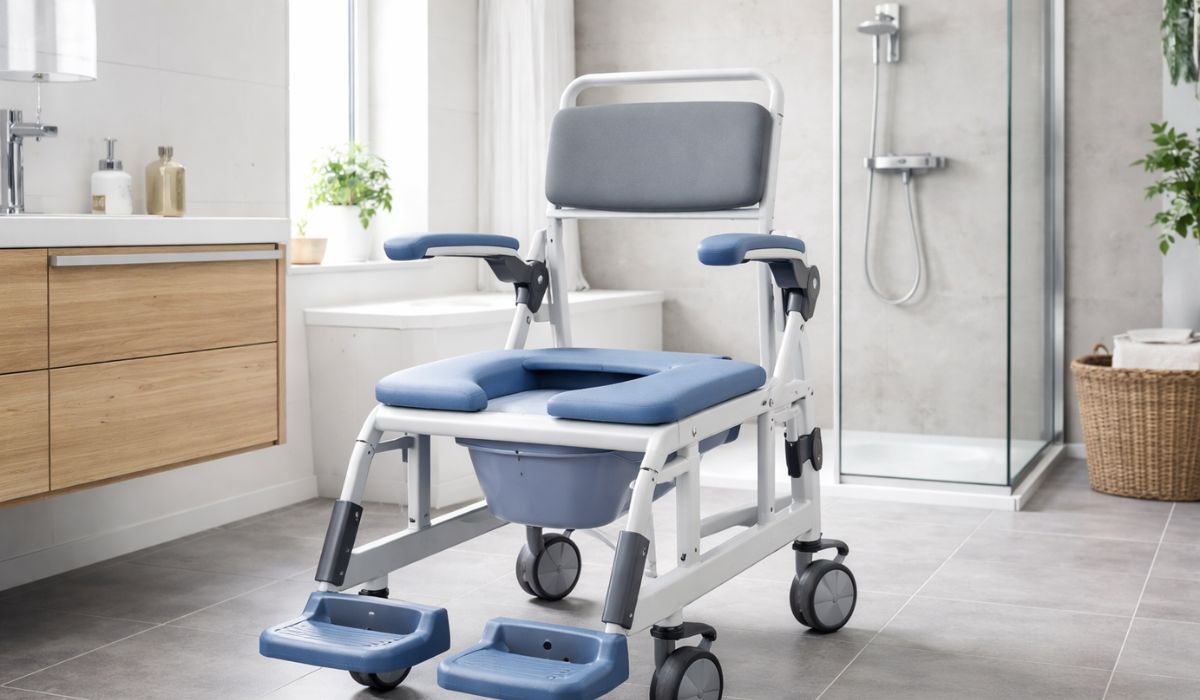
The first thing to study is the core build of the chair. Look at the seat shape, backrest, armrests, footrests, frame material, and whether the chair is fixed or mobile. A stable frame and water-resistant design matter because the chair will be used in damp conditions again and again. Smooth surfaces are also important because they are easier to wipe down and less likely to trap moisture or waste. Good brakes, strong wheels, and a comfortable seating surface should never be treated as extras. They are basic safety parts.
It is also smart to think about how the chair will be used each day. Some buyers only need a simple option for shower support. Others need a model that can move between bed, toilet, and shower area. If a caregiver will be pushing the chair often, wheel quality and steering matter more. If the user will stay seated for longer periods, pressure comfort, back support, and body positioning become more important. The best chair is not always the one with the most features. It is the one that matches the real routine of the person using it.
How to Choose the Right Size
Size is one of the most important parts of the buying process. A chair that is too narrow can feel uncomfortable and unsafe. One that is too wide may give poor support and make bathroom use harder. Check the seat width, overall chair width, height range, and the space between armrests. These numbers matter because many bathrooms, shower entrances, and toilet areas have limited room. A chair may look fine online but still be too wide to move easily through a doorway or beside a sink.
Seat height also deserves close attention. The right height can make transfers easier and reduce strain on knees, hips, and caregivers. Adjustable models are useful when more than one person helps with care or when the user’s needs may change over time. If the chair must fit over a toilet, check clearance carefully. If it will be used in a shower area, make sure the bathroom layout gives enough room for turning, braking, and safe foot placement.
ALSO READ THIS :- Who Is Edward Roy McHale? Inside Joel McHale’s Son, Family, and Early Health Story
Safety Points That Matter Most
Safety should guide every buying decision. A hygiene chair is often used on wet floors, during transfers, or when the user feels physically weak. That means the chair needs dependable brakes, a balanced frame, and non-slip support. Wheels should roll smoothly when movement is needed, but they should also lock firmly when the chair is stationary. If the model does not feel steady when parked, it is not the right choice.
Look closely at body support as well. Good armrests can help with sitting down and standing up. Footrests help keep the legs in a safer position during movement. Back support can improve comfort and reduce slumping. For people with reduced trunk control, added supports may be needed. In some cases, a tilt function can help with posture, pressure comfort, and safer care for users with more complex needs.
Material, Cleaning, and Daily Maintenance
A chair used for hygiene support must also be easy to clean. This sounds simple, but it is often overlooked. Frames, seats, calf supports, and accessories should be made from water-friendly materials that resist moisture and clean up without much effort. Fast drying, smooth finishes, and simple shapes help reduce dirt buildup and make regular cleaning easier. In care settings, good cleaning practice is part of overall hygiene and infection control, so the design of the chair matters more than many buyers expect.
Also check how the commode pan or toileting parts are handled if the chair includes them. A poorly designed system can be awkward, messy, or uncomfortable for both user and caregiver. Buyers should think about how easy it is to remove, empty, clean, and refit these parts. A practical design reduces time, stress, and the chance of spills. Over the long term, this can matter just as much as the frame or wheels.
Different Types for Different Needs
Not every user needs the same kind of Hygienstolar. Some people do well with a basic shower chair that provides a stable seat and simple support. Others need a wheeled model that can move between rooms. There are also chairs with commode openings, over-toilet use, or tilt systems for people who need more positioning help. In home care, a simple and compact design may be the best fit. In professional care, a more advanced chair may save time and improve safety during daily routines.
Weight capacity is another major point. Standard models may be enough for many users, but bariatric options are important when extra width, stronger construction, and higher weight support are needed. These models are often wider and built for greater stability. Buyers should never guess about this part. Always compare the chair’s limit with the real support needs of the user and allow a safe margin rather than choosing the smallest possible option.
Practical Buying Checklist
Before making a final choice, it helps to review the most practical points in one place:
- bathroom doorway width and turning space
- seat width and seat height
- total weight capacity
- wheel size and brake quality
- comfort of armrests, backrest, and footrests
- shower use, toilet use, or both
- ease of cleaning after daily use
- need for tilt, positioning, or extra support
- whether a caregiver will push the chair often
- long-term fit for changing mobility needs
A careful review like this can prevent expensive mistakes. Many problems happen not because the chair is poor, but because it does not match the real room size, transfer style, or support needs of the user.
Comfort, Dignity, and Caregiver Ease
Comfort should not be treated as a minor detail. A user who feels secure and supported is more likely to stay calm during personal care. Soft but stable seating, a supportive back, and proper leg positioning can make a real difference. So can details like a seat opening that feels practical rather than awkward, and armrests that do not dig into the body. When a chair feels better to use, routines often become smoother and more respectful.
Caregiver ease matters too. In many households and facilities, the chair is used several times each day. A design that improves access, reduces lifting, and moves well in tight spaces can lower physical strain over time. This is one reason advanced models with tilt or better maneuvering are often chosen for users with higher support needs. The right chair helps both sides of the care routine, not just one.
ALSO READ THIS :- TxMyZone for Students and Parents: Login, Grades, Attendance, and Schedule Tools
Common Buying Mistakes to Avoid
One common mistake is buying based only on price. A cheaper chair may seem attractive at first, but it can lead to discomfort, poor fit, weak braking, or extra cleaning trouble later. Another mistake is ignoring bathroom measurements. Even a high-quality chair becomes frustrating if it cannot pass through the door or fit safely over the toilet. Buyers also sometimes choose a model for the current moment only, without thinking about whether the user’s mobility may change in the near future.
It is also easy to underestimate how important daily cleaning and handling are. A chair that looks modern but is difficult to wipe down, empty, or steer may become a burden quickly. Good buying decisions come from imagining real daily use step by step. Think about transfers, shower space, toileting, drying, storage, and caregiver movement. That practical view usually leads to the best result.
Final Thoughts
Buying the right Hygienstolar is really about matching safety, comfort, size, and daily function. The best choice is one that fits the user’s body, the bathroom space, and the care routine without creating extra strain. Features like solid brakes, the right seat dimensions, easy cleaning, and proper support are not small details. They are the foundation of a chair that can be used with confidence every day.
When comparing models, slow down and focus on the basics first. Measure carefully, think about how the chair will be used, and choose a design that supports both the user and the caregiver. A well-chosen hygiene chair can improve comfort, dignity, and safety in ways that matter every single day. That is what makes the buying process worth doing carefully.
FAQs
1. What is Hygienstolar used for?
Hygienstolar is used to help with showering, toileting, and personal hygiene when standing safely is difficult. It gives the user a more stable seated position and can also make care routines easier for family members or professional caregivers.
2. How do I know which size to choose?
Start with seat width, height range, weight capacity, and total chair width. You should also measure the bathroom doorway, shower area, and toilet space so the chair can move and fit safely where it will be used.
3. Are all hygiene chairs safe for shower use?
No, not every chair is built the same way. A shower-safe model should use water-resistant materials, have stable support, and offer dependable brakes or non-slip features that work well in wet areas.
4. What features are most important for safety?
The most important safety points are strong brakes, a stable frame, correct sizing, and good body support. Armrests, footrests, and back support can also improve safe transfers and better sitting posture during use.
5. Is a bariatric model necessary for every user?
No, a bariatric model is only needed when extra width, higher weight support, or stronger frame stability is required. Choosing one depends on the user’s body size and support needs, not simply on personal preference.
6. How often should a hygiene chair be cleaned?
It should be cleaned regularly according to how often it is used, especially after toileting or heavy daily care routines. Chairs with simple surfaces and easy-to-remove parts are usually easier to keep clean and more practical over time.
FOR MORE CONTENT: CLOCKMAGAZINE