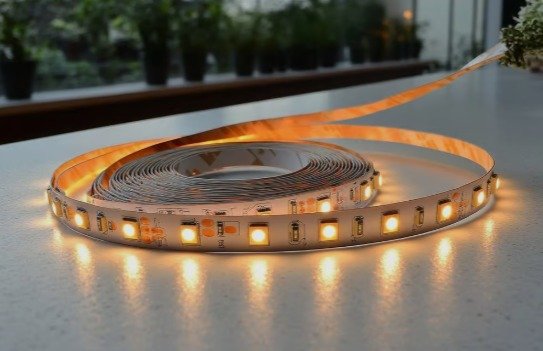
Introduction: The Growing Demand for LED Strip Lighting
A single strip of light can transform a plain ceiling, illuminate a retail display, or add character to an architectural feature. As lighting requirements continue to evolve, LED strip lights have become popular for residential, commercial, and industrial applications. Their flexible construction, compact dimensions, and adaptable brightness make them suitable for projects of different sizes. For contractors, retailers, and distributors, purchasing lighting products in larger quantities can also simplify planning and inventory management. Understanding product specifications, quality standards, and supplier capabilities helps buyers make informed decisions and achieve consistent results across multiple installations.
Understanding the Benefits of Wholesale LED Strip Lights
Purchasing lighting products in larger quantities can help businesses coordinate projects and maintain a reliable supply of commonly used components. Retailers may need stock for regular customer orders, while contractors often require matching products for several properties. A well-planned LED strip wholesale purchase can make it easier to compare product specifications, negotiate suitable commercial terms, and maintain consistency between installations. However, the lowest unit price should not be the only consideration. Buyers should also evaluate brightness, color consistency, electrical requirements, product durability, and supplier reliability to determine whether a lighting solution meets long-term project expectations.
Choosing the Right Specifications for Each Application
LED strip lights are available in different brightness levels, color temperatures, voltages, lengths, and protection ratings. Selecting the correct combination depends on the environment and the intended lighting effect. Warm white lighting may suit bedrooms and hospitality interiors, while neutral white can work well in offices and retail displays. RGB products offer additional color flexibility for decorative installations. Before arranging an LED strip bulk order, buyers should confirm the required wattage, strip density, cutting intervals, operating voltage, and compatible power supplies. Reviewing these details beforehand can reduce installation delays, minimize unnecessary returns, and help ensure that the purchased products match the project requirements.
RGB Controls and Adjustable Lighting Intensity
Modern LED strip systems can provide adjustable colors and brightness levels, giving users greater control over the atmosphere of a space. RGB lighting is commonly used in entertainment areas, display cabinets, architectural accents, and decorative ceilings. The controller plays an important role in managing the visual output and adjusting illumination to suit different activities. One product feature is RGB Touch Controller Interssity:10 steps, which indicates ten intensity adjustment steps through a compatible touch controller. This type of control offers defined brightness settings for practical operation. Buyers should verify controller compatibility and the dimming method before combining components from different lighting systems.
Maintaining Quality Across Large Lighting Purchases
Consistent quality becomes particularly important when lighting products are purchased for multiple locations or ongoing commercial projects. Differences in color temperature, brightness, adhesive strength, and circuit construction can create visible inconsistencies between installations. Businesses evaluating LED strip wholesale options should request clear technical specifications and, where practical, examine samples before confirming larger purchases. Attention should also be given to warranty terms, manufacturing consistency, packaging, and product testing information. Establishing quality expectations before placing an order can reduce the likelihood of receiving unsuitable products. It also helps contractors and distributors maintain dependable standards across customer projects and repeated installations.
Managing Budgets and Inventory Effectively
Bulk purchasing can support more organized inventory planning when businesses have predictable demand for LED lighting products. Distributors may keep commonly requested specifications in stock, while electrical contractors can coordinate purchasing around confirmed project schedules. An LED strip bulk order may also provide opportunities to discuss quantity-based pricing and consolidated shipping arrangements with a supplier. Nevertheless, excessive inventory can tie up working capital and create storage challenges if product specifications or customer requirements change. Buyers should estimate demand carefully, consider product shelf and storage conditions, and compare the financial benefits of larger quantities against the risks of holding unused stock.
Installation Requirements and Long-Term Performance
Even a high-quality LED strip can perform poorly if installed incorrectly. Appropriate power supplies, suitable wiring, effective heat management, and compatible connectors all contribute to reliable operation. Longer installations may experience voltage drop, which can cause reduced brightness toward the far end of a strip. Installation surfaces should be clean and suitable for the product’s adhesive, while outdoor or damp environments require appropriate protection ratings. For demanding applications, buyers should review the manufacturer’s instructions and confirm that the selected strip is intended for the expected operating conditions. Careful preparation can reduce maintenance problems and support more consistent illumination over time.
Selecting a Reliable LED Strip Supplier
Supplier selection affects product availability, purchasing efficiency, and the overall experience of managing a lighting project. Buyers should assess technical documentation, product variety, communication, delivery expectations, and after-sales support before making a decision. When evaluating LED strip wholesale opportunities, it is helpful to confirm whether the supplier can provide consistent specifications across repeat orders and explain compatibility requirements clearly. Businesses ordering customized products should also discuss production timelines, minimum quantities, packaging options, and quality checks in advance. A transparent purchasing process helps distributors, contractors, and retailers choose products that align with their operational needs and customer expectations.
Conclusion
LED strip lights offer flexible solutions for decorative, functional, and architectural illumination, while larger purchasing quantities can help businesses organize inventory and coordinate multiple projects. Successful purchasing depends on balancing price with product quality, technical compatibility, durability, and supplier reliability. Businesses planning an LED strip bulk order can explore product options and relevant lighting information at dekingled.com before determining which specifications suit their needs. Comparing product details, estimating demand accurately, and confirming installation requirements can support better purchasing decisions. With careful preparation, distributors and contractors can maintain consistent lighting standards while managing project costs and inventory more effectively.