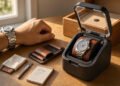
Grief doesn’t follow a schedule, and everyone processes loss differently. For some people, having something tangible — a way to keep a loved one close, literally — becomes an important part of that process. This is where memorial jewelry comes in, and for many families, it’s offered a small but meaningful source of comfort.
What Memorial Jewelry Actually Is
At its core, memorial jewelry refers to pieces designed to hold a small amount of ashes, or to otherwise commemorate someone who’s passed away. The idea isn’t new — people have found ways to keep physical reminders of loved ones close for a very long time — but the designs available today are far more varied than older, more traditional options.
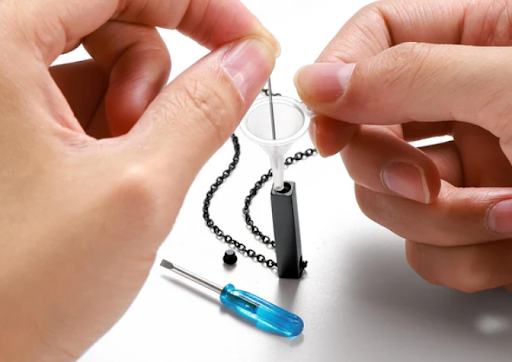
An ashes necklace typically includes a small, sealed compartment designed to hold a small portion of ashes, allowing the wearer to carry something physical with them rather than it being something kept separately at home.
Why People Choose This Option
The reasons people choose memorial jewelry are deeply personal, and there’s no “typical” story. For some, it’s about feeling physically connected to someone, especially in the early stages of grief when that connection feels especially important. For others, it becomes meaningful later — a way of marking anniversaries, or simply having something to hold onto during difficult moments.
It’s worth saying clearly: there’s no right or wrong way to grieve, and memorial jewelry is just one option among many. For some people it brings comfort; for others, different ways of remembering a loved one feel more meaningful, and that’s completely okay too.
Design Considerations
Memorial jewelry comes in a range of styles, and the design often reflects who it’s for. Some pieces are quite subtle — designed to look like ordinary jewelry, with the memorial aspect being a private detail rather than something visible to others. Others are more overt, sometimes incorporating engraved names, dates, or symbols that make the memorial purpose clear.
For men specifically, there’s been a noticeable shift toward designs that feel less delicate and more aligned with everyday accessories — pieces that don’t necessarily look like “memorial jewelry” in a traditional sense. Options designed as ashes jewelry for men often take this approach — a bar-style pendant with engraving, for example, that could pass as a standard piece of jewelry while still serving its memorial function.
A Few Practical Notes
For anyone considering this option, a few practical things are worth knowing:
- The compartment is small — these pieces are designed to hold a symbolic amount, not a significant portion of ashes
- Sealing mechanisms vary — some pieces use a screw-type closure, others use a different sealing method, so it’s worth understanding how a specific piece works before filling it
- It’s okay to take time — there’s no requirement to decide on something like this quickly, and many people find it easier to approach when they feel ready, whenever that is
FAQ
How much can a memorial necklace actually hold?
These pieces typically hold a small, symbolic amount — they’re not designed to hold a significant portion of ashes, but rather a small token amount.
Is memorial jewelry only for ashes?
While ashes are common, some memorial pieces are designed to hold other small keepsakes, such as a lock of hair, or are purely symbolic with engraving and no compartment at all.
Are there design options that don’t look obviously like memorial jewelry?
Yes, many designs are made to look like standard jewelry, with the memorial function being a private detail rather than something visibly apparent to others.
Is it normal to take time deciding on something like this?
Completely. There’s no timeline for grief, and many people find it easier to consider memorial jewelry when they feel ready, which can be anytime from immediately after a loss to much later.
Can memorial jewelry be personalized?
Often yes — engraved names, dates, or short messages are common additions that allow a piece to be tailored to honor a specific person.
Final Thoughts
Memorial jewelry isn’t for everyone, and that’s perfectly fine — there are many ways to honor someone’s memory, and what matters most is finding something that feels right for you or your family. For those who do find comfort in carrying something physical with them, having options that feel personal, rather than purely traditional, can make a meaningful difference.