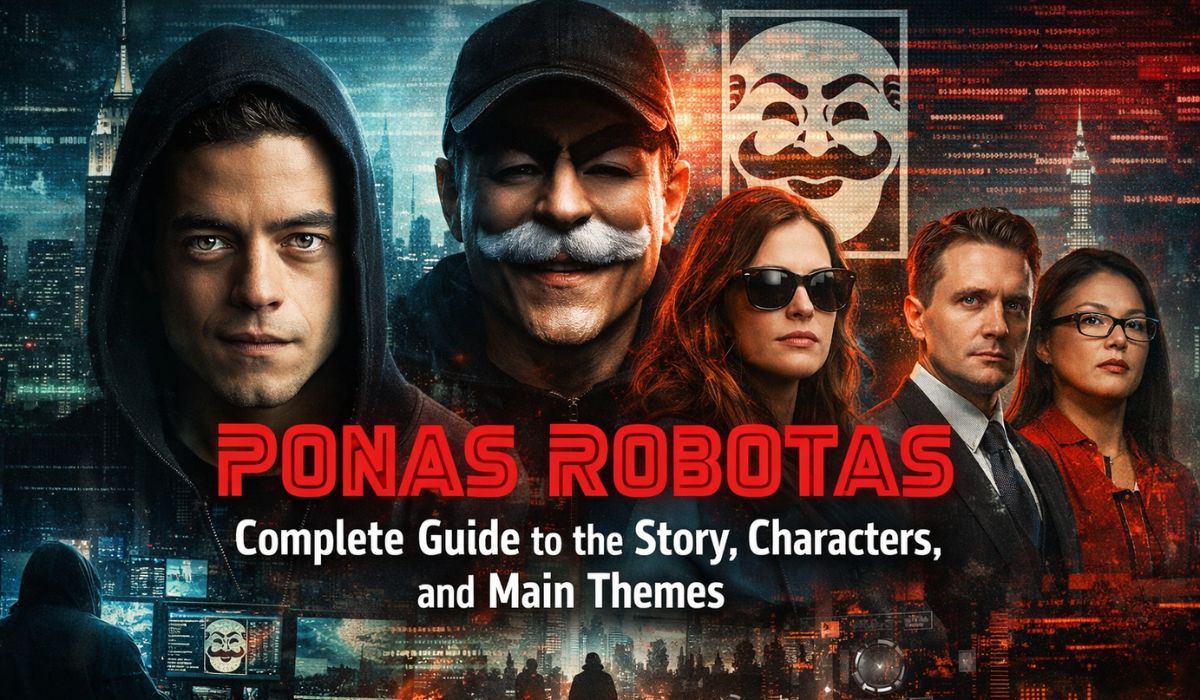
Ponas Robotas is the Lithuanian title often used for Mr. Robot, a series that made a strong impact on viewers around the world. It is not just another drama about hackers, secret groups, or digital crime. At its heart, it is a story about loneliness, pain, power, and the search for truth in a world that often feels controlled by money and technology. The show became popular because it mixed tense storytelling with emotional depth, giving people something more than a simple thriller.
What makes this series stand out is the way it joins personal struggle with larger social questions. It looks at identity, mental health, class pressure, and the systems that shape modern life. It also shows hacking in a more realistic way than many TV shows do, which helped it gain attention from both casual viewers and people interested in cybersecurity. For many fans, the biggest reason the story stays in the mind is that it feels human, even when the plot becomes dark, strange, or deeply unsettling.
What Is Ponas Robotas Really About?
On the surface, the show follows Elliot Alderson, a gifted cybersecurity engineer who also works as a hacker. He spends his days protecting systems and his nights quietly breaking into them. Elliot is brilliant, but he is also isolated, anxious, and emotionally wounded. He struggles to connect with people and often feels more comfortable dealing with code than with ordinary life. This tension between his talent and his pain drives much of the story.
Soon, Elliot is drawn into a dangerous plan to attack a huge corporation and the financial system tied to it. That is where the series moves beyond a personal drama and becomes something larger. It asks what happens when one person tries to fight a system that seems too big to touch. It also asks whether destroying power structures can really create freedom, or whether it simply opens the door to new forms of chaos.
The World of Elliot Alderson
Elliot is one of the most memorable characters in modern television because he feels deeply real. He is not written as a clean hero who always knows what to do. He is often confused, angry, frightened, and unsure of his own mind. The audience does not just watch him from a distance. Instead, viewers are placed very close to his thoughts, which makes the story feel intimate and unstable at the same time.
His inner voice is a major part of the experience. Through that voice, the audience hears his judgment of society, his fear of people, and his private attempts to understand what is happening around him. This approach creates a sense of trust and doubt all at once. Elliot tells the story, but the show keeps reminding us that his view of reality may not always be complete. That choice gives Ponas Robotas much of its emotional power and suspense.
ALSO READ THIS :- Kleptotoxicity Explained Clearly: Insect Behavior, Toxins, and Survival
Why the Title Character Matters
The figure known as Mr. Robot is central to the story, but his meaning goes far beyond a single role in the plot. He is connected to rebellion, action, and the push to break free from systems of control. Whenever he appears, the story gains urgency and danger. He represents movement, while Elliot often represents hesitation. Together, they form one of the most interesting relationships in the series.
The importance of this character is not just about mystery. He also helps the show explore questions about identity and truth. Who are we when we feel broken? Can one person hold several different versions of the self at the same time? The title points viewers toward a larger puzzle, but it also reflects one of the show’s deepest ideas: people are not always as unified or as stable as they appear from the outside.
A Story About More Than Hacking
Many people first hear about Ponas Robotas because of its hacking scenes, but the series is about much more than computers. The digital world is important because it becomes a tool for power, resistance, control, and exposure. Hacking in this story is not shown as magic. It is shown as skill, patience, planning, and risk. That realism gave the show a different kind of credibility.
Still, technology is only one layer. The larger conflict is about who holds power in society and how ordinary people respond to that power. Big companies, debt systems, surveillance, and manipulation all play major roles in the plot. The series keeps asking whether modern life has made people freer or more trapped. It also forces viewers to think about whether rebellion can stay moral once it begins harming innocent people.
The Main Characters Who Shape the Series
No guide to this series is complete without looking at the people around Elliot. Each major character adds a different emotional and moral angle to the story. Darlene brings energy, pain, and unpredictability. Angela reflects ambition, disappointment, and the search for meaning inside a broken system. Tyrell shows what happens when obsession and ego take control. Whiterose brings intelligence, vision, and a frightening sense of purpose. These people do not simply support the plot. They deepen the show’s questions about loyalty, truth, and sacrifice.
Here are a few character highlights that help explain why the story feels so layered:
- Elliot Alderson – the brilliant but troubled central figure whose inner conflict drives the series
- Mr. Robot – the force of rebellion and confrontation that pushes events forward
- Darlene – a sharp, fearless presence who adds emotional realism and urgency
- Angela – a character whose path reflects hope, pressure, and painful change
- Tyrell Wellick – a powerful example of ambition turning into instability
- Whiterose – one of the story’s most complex minds, representing control, vision, and obsession
The Emotional Weight of Family and Trauma
One reason the show stays with viewers is that its biggest conflicts are emotional, not just political or technical. Family pain sits underneath much of the story. The past is not treated as background information. It is active, living, and dangerous. Old wounds shape choices in the present, and the characters often move through life without fully understanding how much they are still being controlled by earlier harm.
Trauma in Ponas Robotas is handled with seriousness. It is not used as decoration or as a quick excuse for dramatic behavior. Instead, the show explores how trauma can affect memory, trust, self-image, and relationships. It shows that a damaged sense of self does not always appear in obvious ways. Sometimes it appears through silence, avoidance, anger, or the need to control everything. That careful approach is one of the reasons the series feels richer than a standard thriller.
Mental Health as a Core Theme
Mental health is one of the main reasons this story feels different from other tech dramas. Elliot is not presented as a simple genius with a few social problems. He is a person carrying intense emotional pain, and the show gives that pain real narrative weight. His mental state affects how he sees the world, how he understands events, and how the audience experiences the truth of the story.
This theme matters because the series does not reduce him to one label. Instead, it shows a complex human being trying to survive while carrying fear, grief, shame, and confusion. The result is a character who feels vulnerable and strong at the same time. That balance is rare. It allows the show to speak to viewers who may never care much about hacking but care deeply about identity, trust, and the struggle to feel whole.
Power, Money, and Social Control
Another major reason Ponas Robotas gained a loyal audience is its criticism of corporate power. The series presents a world where giant companies shape daily life in ways many people barely notice. Debt, data, media influence, and private control over public life are treated as part of one connected system. This gives the story a political edge without turning it into a speech.
The show also avoids easy answers. It does not say that all institutions are evil or that every rebel is right. Instead, it shows how power can corrupt both official leaders and those who claim to fight against them. That moral complexity makes the story stronger. Viewers are asked to think, not just react. The series keeps pushing the question of whether changing the world is possible without becoming part of the same violence one claims to resist.
Why the Series Feels So Unique
Style plays a huge role in the success of this show. The camera work often places characters at the edges of the frame, which creates a feeling of isolation and imbalance. The music, silence, pacing, and visual design all support the emotional tone. Even before something dramatic happens, the viewer often feels that something is wrong. This tension becomes part of the identity of the series.
The storytelling structure is also unusual. The plot is layered, and not everything is explained right away. Viewers must pay attention, question what they see, and stay open to new meanings as the story develops. Some twists are shocking, but they are not there only for surprise. The best turns in the series deepen the themes and force the audience to rethink earlier moments. That kind of design is one reason the show continues to be discussed years after it first aired.
ALSO READ THIS :- How Pigeimmo Is Transforming Property Investment: Key Features Explained
The Meaning of fsociety and Rebellion
One of the most talked-about parts of Ponas Robotas is fsociety, the hacker group tied to the story’s central mission. On one level, it represents anger against financial power and elite control. On another level, it reflects the fantasy of tearing down a system that feels impossible to escape. For many viewers, fsociety became a symbol of rebellion against unfair structures in modern life.
At the same time, the show carefully explores the cost of that rebellion. Anger may unite people, but it does not always guide them wisely. The series asks what happens after the first strike, after the symbolic act, after the public statement. It shows that destruction can be easier than repair. That makes the group important not just as a plot device, but as a way of testing whether revolution can stay humane when real people begin suffering.
The Show’s Lasting Cultural Impact
The global response to this series was strong because it arrived at a moment when people were already worried about privacy, digital dependence, and the power of large institutions. It felt timely, but it also felt personal. Fans connected with its social criticism, while others were drawn in by the mystery, the emotional depth, and the unforgettable performances. The show created discussion far beyond entertainment circles.
Its influence can still be seen in how people talk about realistic hacking on screen, anti-corporate storytelling, and psychologically layered TV characters. It also raised expectations for what a modern thriller could be. Instead of choosing between intelligence and emotion, it delivered both. That is a major reason viewers continue to search for plot explanations, character breakdowns, season analysis, and ending discussions long after finishing the series.
Understanding the Ending and Its Meaning
The ending of Ponas Robotas matters because it brings the story back to its deepest concern: identity. While the show contains major events involving corporations, secret plans, and global stakes, its final emotional center is personal. The closing chapters ask who Elliot really is, what truth he has been avoiding, and what healing might look like after so much fear and fragmentation. The ending is not powerful because it is loud. It is powerful because it is deeply human.
For many viewers, the final meaning of the series lies in acceptance. The story does not promise a perfect world or complete peace. Instead, it suggests that facing truth is the beginning of real freedom. That idea connects the personal and the political themes of the show. A broken system matters, but so does a broken self. In the end, Ponas Robotas argues that both forms of repair require honesty, courage, and connection.
Final Thoughts
Ponas Robotas remains one of the most compelling modern series because it offers much more than suspense. It is a layered story about pain, control, rebellion, and the difficult path toward self-understanding. It gives viewers memorable characters, emotional depth, and a thoughtful look at the systems that shape daily life. Whether someone comes to it for the hacking, the mystery, the social themes, or the psychological drama, there is real substance waiting beneath the surface.
What makes the series truly memorable is the balance it achieves. It is sharp without being cold, emotional without being weak, and political without losing sight of the individual. Elliot’s story may begin in loneliness and confusion, but it grows into something larger and more meaningful. That is why so many viewers continue to return to the show, discuss its twists, and explore its themes. It is not only a story to watch. It is a story to think about long after it ends.
FAQs
1. What is Ponas Robotas about?
Ponas Robotas is about a cybersecurity engineer named Elliot Alderson who becomes involved in a plan to take down powerful corporate systems. While hacking is part of the story, the series is also about identity, trauma, power, and the search for truth.
2. Is Ponas Robotas the same as Mr. Robot?
Yes, Ponas Robotas is the Lithuanian title commonly used for Mr. Robot. The story, characters, and themes are the same, but the title is localized for Lithuanian-speaking audiences.
3. Who is the main character in Ponas Robotas?
The main character is Elliot Alderson. He is a highly skilled hacker and security expert, but he also struggles with isolation, emotional pain, and a complicated sense of reality.
4. Why is Ponas Robotas considered different from other shows?
The series stands out because it combines realistic hacking, strong visual style, and deep emotional storytelling. It also explores mental health, social control, and personal identity in a more serious way than many thrillers do.
5. What are the main themes of Ponas Robotas?
The main themes include trauma, identity, corporate power, rebellion, loneliness, and healing. The show also explores how technology can be used for both control and resistance.
6. Is Ponas Robotas worth watching today?
Yes, it still feels relevant because its themes about privacy, money, power, and emotional struggle remain important. It also offers strong performances, smart storytelling, and an ending that gives the full journey lasting meaning.
FOR MORE CONTENT: CLOCKMAGAZINE