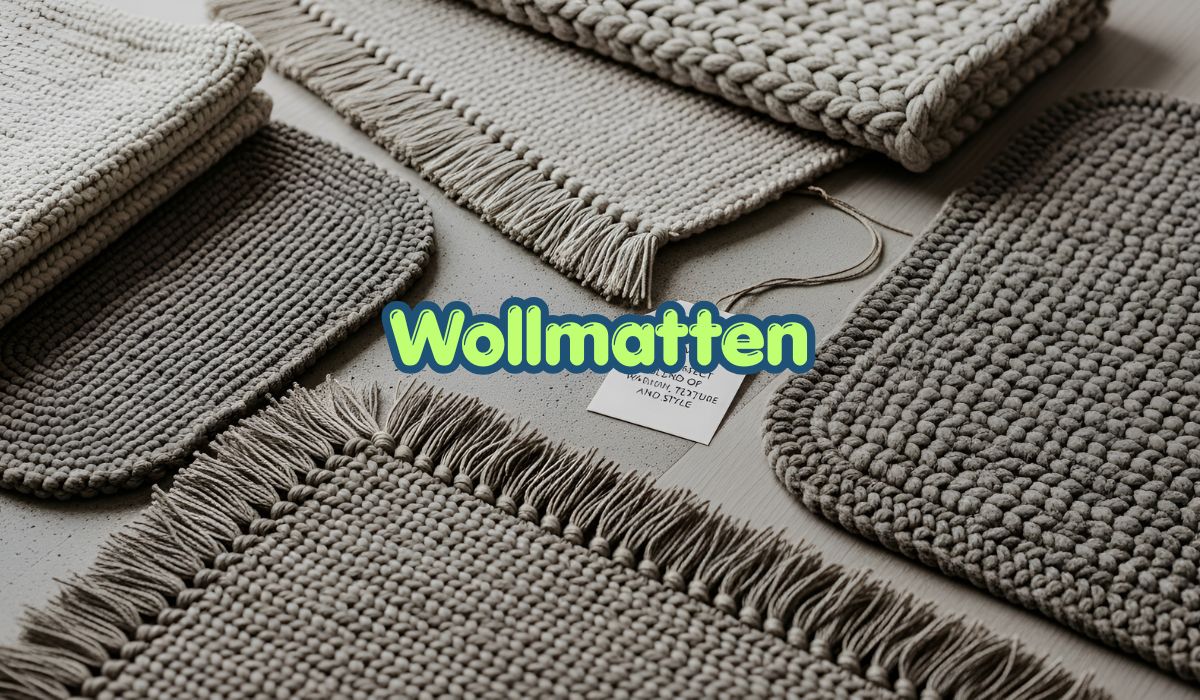
Wollmatten are gaining attention as more people look for simple, natural ways to improve comfort, manage temperature, and use safer materials in everyday spaces. Made from wool fibers, these mats are valued for their ability to hold warmth, soften hard surfaces, and help create a more balanced indoor environment. They are used in homes, workshops, garden settings, and even in small building projects where natural insulation matters. For many buyers, the appeal comes from a mix of function and feel: wool is warm, flexible, breathable, and familiar.
What makes these mats especially interesting is that they do more than just block cold air. Wool can help regulate moisture, reduce sudden temperature changes, and add a layer of comfort underfoot or around delicate items. In some settings, these products are used to protect plants, line storage spaces, or improve insulation in doors, floors, and utility areas. In other cases, they are chosen because people want a more natural option instead of fully synthetic materials. Understanding how they work, where they fit best, and how to care for them can help you get better results and longer use.
What Wollmatten Are and How They Work
At their core, Wollmatten are compressed or layered wool mats designed to provide insulation, padding, or surface protection. Some are dense and firm, while others feel softer and more flexible. The final form depends on the wool type, how tightly the fibers are packed, and whether the product is blended with backing material or left close to its natural state. Because wool fibers naturally trap small pockets of air, they help slow heat transfer. That trapped air is one reason wool has been used for warmth for centuries in clothing, bedding, and interior materials.
The structure of wool also helps with breathability. Instead of creating a completely sealed barrier, it tends to support a more balanced exchange of air and moisture. This can be useful in spaces where dampness, condensation, or temperature swings are a concern. A well-made wool mat can provide a gentle insulating layer without making an area feel closed off. In practical terms, that means better comfort in cold seasons and more stable conditions for surfaces, stored goods, and even plant roots when the material is used outdoors.
Common Uses in Homes and Everyday Spaces
One of the most common uses for these mats is indoor comfort. People place them under rugs, near entry points, on cold floors, or in small sitting areas where warmth matters. In older homes, where floors may feel cold in winter, a wool-based layer can improve comfort without major renovation. It can also help create a softer step and a more natural feel compared to plastic-based alternatives. In family homes, this matters because comfort is not only about heat but also about texture, noise control, and how a room feels day to day.
They are also useful in practical areas such as mudrooms, enclosed porches, utility rooms, and hobby spaces. A mat placed in the right location can help reduce chill from hard surfaces and support a more stable indoor setting. Some people use them around pet sleeping areas or under benches where extra warmth is welcome. Others cut or fit them into storage areas where a simple insulating layer protects fragile items from sharp temperature changes. Their flexibility makes them useful in both finished interiors and work-focused spaces.
ALSO READ THIS :- Guia Silent Hill Geekzilla: Expert Tips, Secrets, and Strategies
Use in Gardening and Outdoor Protection
Wollmatten are also popular in gardening, especially for plant protection during colder months. When wrapped around pots or placed around root zones, they can help reduce frost stress and support steadier temperatures. Gardeners often use them for potted plants, raised beds, and delicate herbs that need extra protection when nights turn cold. The goal is not to create artificial heat, but to slow down heat loss and reduce harsh exposure. That small buffer can make a real difference when weather changes quickly.
In outdoor use, moisture handling becomes especially important. Wool performs well when conditions are cool and damp because it can manage some moisture without losing all of its insulating ability. That does not mean it should stay soaked for long periods, but it does mean it can be more forgiving than some materials that fail quickly when wet. For gardeners who prefer natural products, this makes wool mats attractive for seasonal protection and light-duty insulation around containers, greenhouse corners, and sheltered outdoor surfaces.
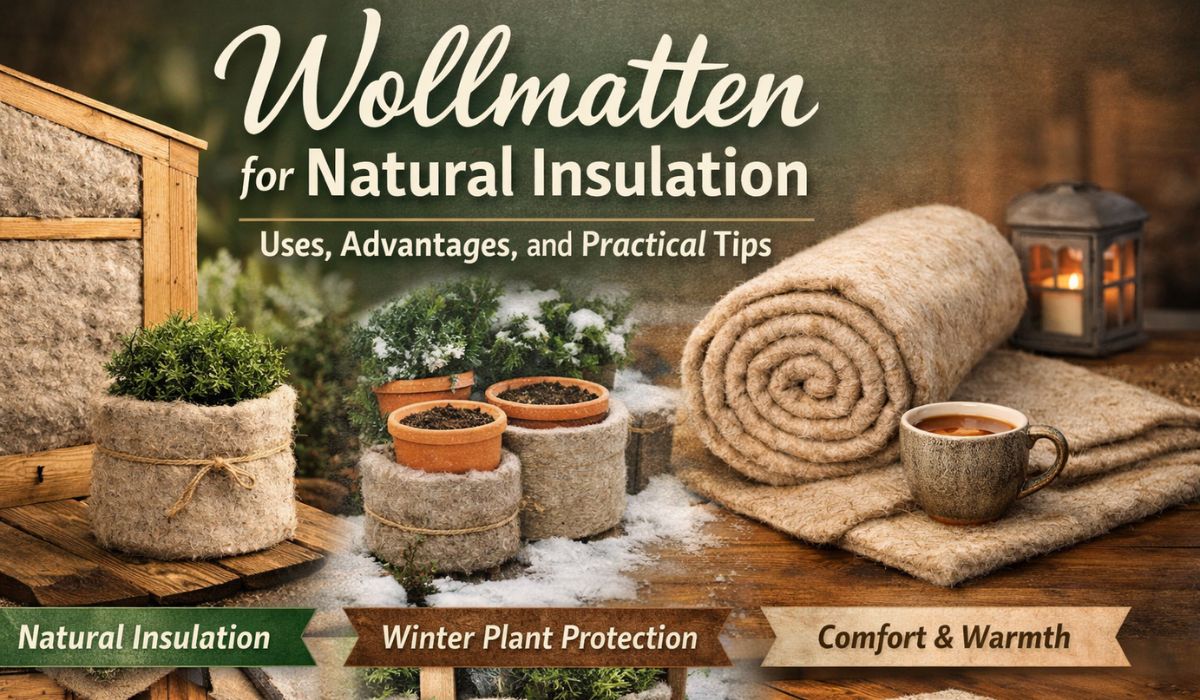
Why Natural Insulation Matters
Natural insulation appeals to people for several reasons. First, it often feels safer and more pleasant to handle than harsher synthetic materials. Second, it fits well with a growing interest in practical products that are simple, renewable, and less industrial in feel. Wool has a long history as a working material, and that history adds trust. People understand what it is, how it behaves, and why it remains useful even as new materials enter the market.
Another reason natural insulation matters is balance. Many people do not need the most technical or heavy-duty product for every small project. They need something reliable, easy to place, and suitable for everyday living. A wool mat can meet that need in a quiet way. It is not always the cheapest option, and it may not be right for every environment, but it often offers a better mix of warmth, breathability, and comfort than low-grade plastic mats. For people who want a home or garden to feel less artificial, that balance is valuable.
Main Advantages of Wollmatten
The biggest strength of Wollmatten is their combination of insulation and comfort. They help hold warmth, but they also feel softer and more natural than many common alternatives. Wool fibers are known for resilience, which means a good mat can recover well from light compression and everyday use. They also help buffer cold surfaces and may reduce some surface noise, which can make a room feel calmer and more finished. These benefits are especially noticeable in places where comfort matters more than a slick or modern look.
Another major advantage is moisture control. Wool is known for handling humidity better than many materials people use around the home. It does not act exactly like waterproof plastic, but that can be a strength rather than a weakness. In the right setting, it helps prevent a trapped, damp feeling and supports a more stable surface environment. This quality can make the mat useful in indoor corners, storage zones, and protected outdoor areas. Added to that is the simple fact that wool is a familiar, natural fiber with broad appeal for buyers who want practical performance without relying only on synthetic products.
Choosing the Right Type for Your Needs
Not all wool mats are the same, so it helps to match the product to the job. For indoor floor comfort, a softer and slightly thicker option may work best. For plant wrapping, flexibility matters because the material needs to fit around containers and edges. For workshop or utility use, a denser product may hold up better under repeated pressure. Thickness, fiber density, edging, and backing all affect performance. Buyers often focus on appearance first, but structure matters more when insulation is the main goal.
A simple way to compare options is to look at the following points in one place:
- thickness and density for warmth and durability
- flexibility for wrapping, shaping, or fitting into tight spaces
- moisture behavior for indoor versus outdoor use
- ease of cleaning if the mat will face dirt, shoes, or pet traffic
- size and edge finish for quick placement and a neater look
- fiber purity if you want a product closer to untreated wool
This kind of comparison helps you avoid buying a mat that looks attractive but does not suit the real task. A gardening product may not be ideal for indoor comfort, while a decorative indoor mat may not last in a damp shed or on a porch.
Practical Tips for Installation and Placement
Placement has a big effect on performance. Indoors, these mats work best where they can rest on a dry, stable surface. If the floor under them is already damp, the mat may absorb too much moisture and lose some of its comfort and freshness over time. In cold rooms, placing the mat where people stand or sit most often gives the biggest benefit. For example, next to a bed, under a desk, near a reading chair, or inside an entry bench area are all smart choices. Small areas often show the value of insulation more clearly than large open rooms.
Outdoors or in semi-covered spaces, it helps to avoid direct, constant exposure to heavy rain. When used around plants, secure the mat so it stays in place without being packed too tightly. Airflow still matters. If the wool is wrapped too hard against wet surfaces, drying becomes slower. In sheds, greenhouses, or storage spaces, leave enough room for the material to breathe. The goal is to support temperature balance, not trap moisture where it should not stay.
Care, Cleaning, and Long-Term Use
Proper care can make a big difference in how long a wool mat lasts. In many cases, regular shaking, light brushing, and occasional airing out are enough for routine maintenance. Wool does not always need frequent deep cleaning, which is one reason it remains popular in practical settings. However, if dirt builds up or the mat starts to hold odor, gentle spot cleaning with mild soap and cool water is usually the safest choice. Strong chemicals and very hot water can damage the fiber structure and reduce the natural qualities that make it useful.
Drying is just as important as cleaning. After exposure to moisture, let the mat dry thoroughly in a well-ventilated place before putting it back into regular use. Direct high heat is not ideal, since it can stress the fibers or change the shape of the material. If the mat is used in a plant area, utility corner, or pet space, inspect it from time to time for wear, flattening, or trapped dirt. Regular attention keeps the product performing better and helps you notice when a mat needs repositioning, cleaning, or replacement.
Limits and Things to Watch Out For
Even though these mats have many strengths, they are not perfect for every setting. In very wet conditions, or in places where standing water is common, they may not be the best choice unless specifically designed for that environment. If they stay soaked for too long, they can become heavy and less pleasant to use. In high-traffic commercial areas, they may also wear faster than tougher industrial materials. That does not make them a poor product; it simply means they work best when matched with the right task.
People with wool sensitivity should also check product details before buying. Some mats are more processed and smoother, while others keep a rougher, more natural surface. Texture can affect comfort, especially if the product will be handled often or used under bare feet. Storage matters too. If a mat is put away damp or left in a sealed space without airflow, it may develop odor or lose freshness. Like many natural materials, it rewards proper use and basic care more than neglect.
ALSO READ THIS :- Whatsontech: Top Emerging Technologies You Should Be Watching This Year
Comparing Wool Mats With Synthetic Options
Compared with synthetic mats, wool-based products often feel warmer, softer, and more breathable. Plastic or foam products may offer lower prices, strong water resistance, or a sleek appearance, but they can also feel less natural and less comfortable over time. Wool has an organic texture that many people prefer in homes and calm workspaces. It also tends to perform well in mixed conditions where both comfort and insulation matter. For small-scale use, that blend of qualities can be more valuable than pure water resistance or a low upfront cost.
That said, synthetic mats may still be better for heavy industrial use, constant wet exposure, or spaces that require frequent hard cleaning. The right choice depends on the setting, not just the material. A wool mat shines where comfort, warmth, breathability, and natural handling are priorities. A plastic mat may win where wash-down conditions or rough treatment are expected every day. Understanding this difference helps buyers make smarter decisions instead of assuming one product type is always better.
Best Places to Use Them for Everyday Comfort
Some of the best locations for Wollmatten are surprisingly simple. Bedrooms, reading corners, entryways, enclosed balconies, hobby rooms, and small workstations all benefit from a little extra insulation. In these places, even a modest mat can make the floor feel less harsh and the space feel more settled. The same is true in homes with children, older adults, or anyone who notices cold surfaces quickly. Warmth near the body often changes how comfortable a whole room feels.
In garden life, the best uses are often seasonal. Wrapping containers, lining a protected shelf, or adding a buffer in a greenhouse can help keep temperatures more stable when cold nights arrive. In utility settings, the best use is often targeted rather than broad. Instead of covering an entire room, place the material where it solves a clear problem. That focused use usually gives better value and easier care.
Final Thoughts
Wollmatten offer a practical blend of warmth, comfort, and natural insulation that fits many everyday needs. They are simple products, but their value becomes clear when they are used in the right place and cared for properly. Whether the goal is to soften a cold floor, support a more balanced indoor space, or protect plants during colder weather, wool mats can provide reliable help without adding much complexity. Their strength lies in steady performance, not flashy claims.
For people who want useful materials that feel honest and easy to live with, wool mats are worth considering. They bring together insulation, breathability, and natural texture in a way that many modern products do not. The key is choosing the right type, placing it well, and keeping it dry and clean enough to last. When used thoughtfully, they can improve comfort in small but meaningful ways across the home, garden, and workspace.
FAQs
1. What are Wollmatten mainly used for?
They are mainly used for natural insulation, floor comfort, plant protection, and surface padding. Many people use them in homes, garden spaces, and utility areas where warmth and breathability are important.
2. Are wool mats good for cold weather?
Yes, they are a good choice for cold conditions because wool traps air and helps slow heat loss. This makes them useful on chilly floors, around plant pots, and in spaces that need a little extra warmth.
3. Can Wollmatten get wet?
They can handle some moisture, but they should not stay soaked for long periods. If they become wet, it is best to dry them fully in a ventilated area before using them again.
4. Are they better than synthetic mats?
That depends on the purpose. Wool mats are often better for comfort, breathability, and a natural feel, while synthetic options may be better for heavy-duty wet areas or rough commercial use.
5. How do you clean a wool mat?
Most of the time, light brushing, shaking out dust, and spot cleaning with mild soap are enough. Avoid strong chemicals and high heat, since both can damage the wool fibers.
6. Can they be used for plants in winter?
Yes, they are often used around pots and root zones to reduce cold stress. They help hold a steadier temperature, which can protect delicate plants during sudden drops in weather.
FOR MORE CONTENT: CLOCKMAGAZINE