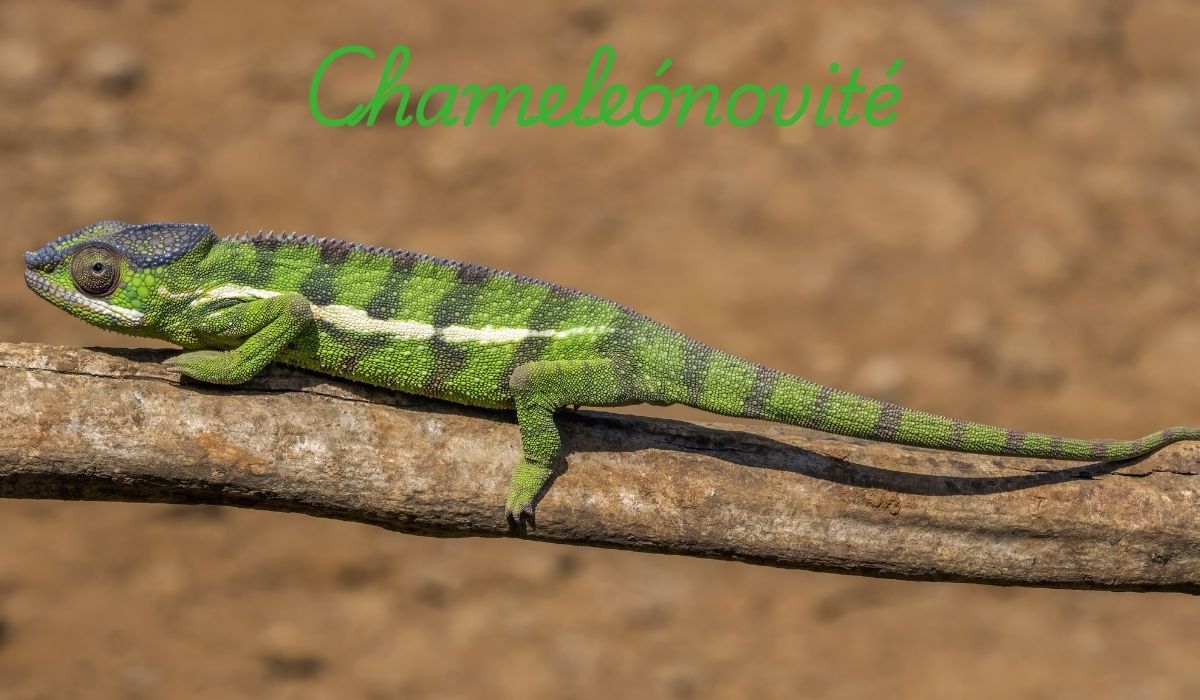
Chameleons have always fascinated people with their unusual shapes, calm personalities, and surprising ability to change color. The word Chameleónovité is often used to describe these reptiles as a group, especially in conversations about their behavior, body structure, and daily routines. While they may look mysterious, these creatures follow simple natural patterns that help them survive in the wild and adapt to their surroundings. Understanding how they eat, how long they live, and what they do throughout the day can make anyone appreciate them even more.
Many people know chameleons mainly for their color changes, but their world is much larger than that. They are slow-moving animals, yet they display incredible precision when hunting. Their eyes move independently, giving them a level of awareness few animals share. Their tongues strike with lightning speed. Their feet grip branches like small hands. Every part of their bodies is designed for balance, safety, and survival.
This article explores what Chameleónovité eat, how long they usually live, and the habits that shape their daily lives. Each part is explained in clear, simple language so readers can fully understand these fascinating reptiles without getting lost in scientific complexity.
What Chameleónovité Eat and How Their Diet Works
Chameleons have a diet that changes with age, size, and environment. Most of them are insectivores, which means they feed mainly on bugs such as crickets and flies. A single adult may eat several insects each day, especially when preparing for breeding or during warm seasons when their bodies use more energy.
Young chameleons eat more often because their growth is rapid. They need a steady supply of nutrients to support their bones and muscles. In the wild, they take advantage of whatever small insects they can catch. This includes fruit flies, tiny crickets, and other small arthropods. Their hunting style is simple but efficient: stay still, watch carefully, and strike at the perfect moment.
Some species include plant matter in their meals when needed. Soft leaves, flowers, or fruit may help them stay hydrated. While insects remain their main source of food, these small amounts of vegetation provide extra moisture and sometimes minerals. This habit becomes helpful in dry seasons when prey is harder to find.
How Their Tongue Helps Them Feed
The feeding process of Chameleónovité is one of the most impressive abilities in the reptile world. Their tongue is long, elastic, and incredibly fast. A chameleon can shoot its tongue out farther than its own body length. This allows it to catch prey that is far from its reach, even when sitting still on a branch.
The tongue ends in a sticky, rounded tip that grabs insects securely. Once the tongue makes contact, it pulls the meal back within a fraction of a second. This speed protects the reptile from wasting energy or missing opportunities. It also keeps them safe from predators because they do not need to chase prey on the ground.
Their eyes play a major role in this process. Each eye can move independently, allowing them to spot insects from almost any direction. When they are ready to strike, both eyes focus together, creating a sharp and accurate view of the target. This combination of vision and tongue strength is what makes their feeding behavior so efficient.
Lifespan of Chameleónovité in Different Environments
The lifespan of chameleons varies widely depending on their species, habitat, health, and living conditions. Smaller species usually have shorter lifespans, often living two to three years in the wild. Larger types may live longer, sometimes reaching five to ten years or more when cared for properly.
In nature, these reptiles face many challenges. Predators, food shortages, environmental changes, and injuries all affect how long they survive. Their bodies are delicate, and stress can impact them quickly. Still, they are adapted to their habitats and follow routines that support their natural rhythm.
When kept in controlled environments with the right temperature, humidity, and diet, some chameleons live longer. They benefit from stable food sources, protection from predators, and medical help when needed. However, they still require a calm setting because too much handling or noise can shorten their lifespan. Peace and consistency are essential for their well-being.
ALSO READ THIS :- Is Veganovies com Worth It? A Clear, Informative User Guide
How Age Affects Their Behavior and Activity
As Chameleónovité age, their behavior and daily habits change gradually. Young chameleons are more active and curious. They explore branches, practice hunting, and adjust to their surroundings. Their movements are quick, and their colors may change more often as their bodies learn to react to different conditions.
Adult chameleons settle into a more stable routine. They spend more time in one area, moving only when hunting, searching for mates, or adjusting their body temperature. Their confidence grows as they become more experienced predators. They rely heavily on patience and stillness, which are major parts of their survival strategy.
Older chameleons slow down even more. Their hunting becomes less frequent, and their appetite may decrease naturally. Their colors may not shift as strongly as before. These changes are normal signs of aging, similar to how other animals experience gradual decline with time.
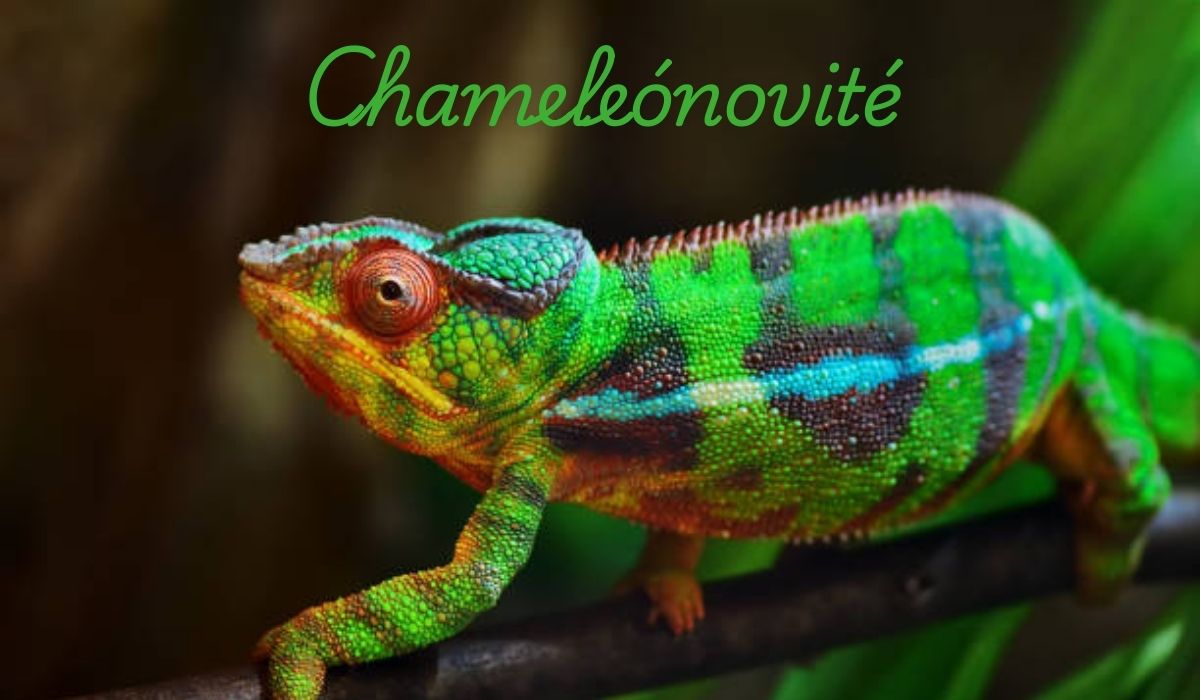
Everyday Habits: How Chameleónovité Spend Their Day
Chameleons live a quiet lifestyle built around simple needs: warmth, food, safety, and rest. Their day usually begins with basking. They warm their bodies in sunlight or a warm spot to activate their energy. Reptiles cannot control internal heat on their own, so this step is important for digestion and movement.
Once warm, they become more alert. This is when they look for food. Hunting does not always mean moving long distances. Most of them remain in the same general area, watching for insects and reacting instantly when the right moment arrives. Their slow walking is just as important as their fast striking. It allows them to avoid being seen while carefully exploring branches around them.
During the afternoon, many chameleons rest again. They may adjust their colors to regulate temperature or blend into the environment. Their bodies conserve energy for future needs, especially during hot hours when movement is harder. Late in the day, they may hunt again if they are still hungry. As night approaches, they return to quiet positions on branches, gripping tightly with their strong feet.
Why Chameleónovité Change Color
Color change is the trait that draws the most attention. While many people think chameleons change color mainly to hide, the truth is more complex. Their skin contains special cells that react to light, temperature, mood, and social signals. These reactions create a variety of shades that appear throughout the day.
Temperature regulation is one of the most important reasons for color change. Darker colors absorb more heat, helping them warm up in cooler moments. Lighter colors reflect heat away, protecting them when temperatures rise. This shift helps maintain balance in their bodies.
Mood and communication also play a role. A confident or excited chameleon may display brighter tones. A stressed or defensive one may show darker shades. When interacting with potential mates or rivals, the intensity of these patterns becomes a clear signal. Each color serves a purpose in daily life.
Vision and Awareness in Their Daily Routine
One of the most extraordinary traits of Chameleónovité is their vision. Their eyes can rotate in different directions, giving them nearly full-circle awareness. This ability helps them stay safe and detect prey even when they appear behind or below them.
Their depth perception is also unique. When both eyes focus on one spot, they gain a very sharp and detailed view. This allows them to judge distance accurately, which is essential for their hunting method. They do not waste energy striking blindly. Instead, they rely on careful targeting.
Their awareness extends beyond vision. The placement of their bodies on branches and their slow, deliberate movements help them stay unnoticed. They trust their senses and instincts, which guide them through each moment of the day.
How Chameleónovité Interact With Their Environment
Chameleons prefer quiet spaces with plenty of leaves and branches. They are not social animals and usually spend their lives alone except during breeding season. This solitary nature helps reduce stress and competition. Too much interaction can cause discomfort, even with members of their own kind.
Their bodies are built for climbing. Their feet are shaped like pincers, allowing them to grip branches securely. Their tails act like an extra hand, providing balance when reaching for new spots. These traits make them excellent climbers, even though they move slowly.
Their interaction with plants is also important. Leaves provide cover, shade, and opportunities for hiding. Branches act as pathways and resting areas. Every part of their environment supports a specific need in their daily routine.
ALSO READ THIS :- How Melanie Sergiev Influenced Drew Lynch’s Comedy Career
Movement, Balance, and Body Structure
The way Chameleónovité walk is often described as careful and rhythmic. They lift their feet slowly and place them down gently. This movement helps them blend with the wind and avoid drawing attention. It also allows them to test branches before stepping fully, preventing falls.
Their balance is supported by their gripping feet and flexible tails. These features work together whenever they move, turn, or stretch for prey. Even though they seem slow, they are highly skilled climbers with strong control over their bodies.
Their unique body shape enhances this ability. They have flattened sides that help them appear smaller when viewed from certain angles. Their heads are shaped to deflect sunlight and protect their eyes. Every part of their build contributes to safe, steady movement.
Temperature Regulation and Comfort Needs
Reptiles depend on external heat sources to regulate their body temperature. Chameleons follow this rule closely. They shift colors, positions, and locations depending on how warm or cool they feel. This behavior keeps their energy stable.
When temperatures drop, they look for warm spots. When it becomes too hot, they move into shade or adopt lighter colors. These adjustments happen naturally throughout the day. Their survival depends on making these decisions quickly and effectively.
Humidity also plays a major role. Moisture supports their skin health and helps them stay hydrated. Many species drink water droplets from leaves. Their routines adapt to the climate around them, proving how connected they are to their environment.
A Quick Look at Their Core Abilities
Here is the only paragraph that uses bullet points, summarizing key traits related to their daily life and natural strengths:
-
Skilled at hunting small insects with precise tongue strikes
-
Strong climbers with gripping feet and supportive tails
-
Able to change color based on mood, temperature, and communication needs
-
Equipped with eyes that move independently for better awareness
-
Naturally quiet and solitary, reducing stress in their routines
How Chameleónovité Protect Themselves
Chameleons rely on stealth rather than speed. Their main defense is remaining unseen. Their colors help them blend into leaves, bark, and branches. Their slow movements also play an important role. By moving gently, they avoid creating sudden motion that predators might detect.
When threatened, they may puff up their bodies to appear larger. Some show darker or brighter colors to communicate distress. Others may hiss softly as a warning. These behaviors give them a chance to avoid confrontation altogether.
Their ability to hide is so effective that many predators overlook them completely. This quiet strategy is a major reason they have survived for millions of years.
Final Thoughts
Chameleónovité are remarkable creatures with habits that reveal how well adapted they are to their surroundings. Their diet is simple, yet their hunting method is highly advanced. Their lifespan varies, but their routines remain steady and calm throughout their lives. Their daily habits show a deep connection to nature, relying on warmth, stillness, and patience.
By understanding their feeding behavior, color changes, movement, and quiet lifestyle, we gain a clearer view of how these reptiles live each day. They may not move fast or interact often, but everything they do has purpose. Their world is built on awareness, balance, and precision. That is what makes chameleons stand out and why people continue to find them fascinating.
FAQs
1. How often do Chameleónovité eat?
Most chameleons eat daily or every other day. Young ones eat more often because they grow quickly, while adults may skip meals if they are warm, comfortable, or not very active.
2. What do baby chameleons usually eat?
They eat tiny insects such as fruit flies and small crickets. Their food must be small enough to swallow easily because their bodies are still developing.
3. Do Chameleónovité make good pets?
They can be kept in controlled environments, but they require quiet spaces, stable temperature, proper humidity, and gentle care. They are not social animals and do not enjoy frequent handling.
4. Why do chameleons move so slowly?
Their slow movement helps them stay hidden. It allows them to blend into their surroundings and avoid drawing attention from predators or prey.
5. Can Chameleónovité drink from water bowls?
Most prefer drinking water droplets from leaves. They often do not recognize still water, so moisture from misting or dripping sources is more natural for them.
6. Why do chameleons close their eyes during the day?
If they close their eyes while awake, it may be a sign of stress, dehydration, or illness. Under normal conditions, they keep their eyes open and alert throughout the day.
FOR MORE CONTENT: CLOCKMAGAZINE