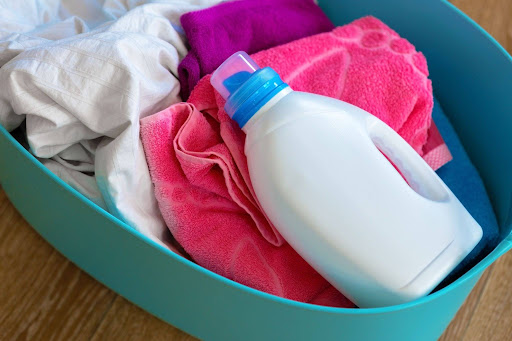
Fresh laundry should feel comfortable, smell clean, and stay pleasant to wear throughout the day. However, many people notice that after washing clothes properly, fabrics sometimes feel rough, stiff, or lose their freshness quickly. Towels may become scratchy after repeated washes, bedsheets can feel less comfortable, and static cling often turns dressing into a daily frustration during colder months.
This is where the Benefits of Liquid Fabric Softener become noticeable. While detergent focuses on removing stains, dirt, and oils, liquid fabric softener improves the texture, freshness, and feel of fabrics after washing. When used correctly, it can help clothes stay softer, reduce static cling, minimize wrinkles, and make laundry smell fresher for longer.
At Love2Laundry, laundry professionals regularly handle everything from delicate garments to bulky bedding and business uniforms. One thing that becomes clear quickly is that fabric care does not stop after the wash cycle. The way clothes are rinsed, softened, and dried has a major impact on how they look and feel over time.
What Is Liquid Fabric Softener?
Liquid fabric softener is a laundry product designed to improve fabric softness and reduce friction between fibers during the rinse cycle. Unlike detergent, which removes dirt and odors, fabric softener focuses on conditioning fabrics after cleaning.
Many people ask, Is fabric conditioner the same as detergent? The answer is no. Detergent is made to clean fabrics by removing dirt, sweat, and stains, while fabric conditioner focuses on softness, freshness, and reducing static after washing.
During washing, clothing fibers rub against each other repeatedly. Over time, this friction can make fabrics feel rough or worn out. Liquid fabric softener coats the fibers lightly, helping them feel smoother and more flexible after drying.
For example, cotton towels washed several times each week often lose their softness, especially in homes with hard water. Adding a small amount of liquid fabric softener can help towels feel softer and more comfortable again.
Many modern liquid fabric softeners also contain mild fragrance ingredients that leave clothes smelling fresh without becoming overpowering.
Makes Clothes Feel Softer
One of the biggest Benefits of Liquid Fabric Softener is improved fabric softness. Clothes naturally become rougher over time because repeated washing slowly weakens and dries out fibers.
Liquid fabric softener helps reduce this rough texture by smoothing the fabric surface.
For instance, bed sheets that are washed frequently can start feeling stiff against the skin. Using fabric softener during the rinse cycle often helps restore a softer, more comfortable feel. This becomes especially noticeable with cotton and linen fabrics, which tend to stiffen after repeated washing.
Softer fabrics also create less friction against the skin, which can feel more comfortable for people with mild skin sensitivity.
Many households that regularly use professional dry cleaning services also combine proper softening techniques with garment care to maintain fabric texture for longer periods, especially for premium bedding and delicate clothing.
Hard Water and Liquid Fabric Softener
Many households experience laundry problems because of hard water rather than poor washing habits. Hard water contains minerals such as calcium and magnesium that attach to fabric fibers during washing. Over time, these minerals can make towels, bedding, and cotton clothing feel stiff even after proper cleaning.
This is one reason why the Benefits of Liquid Fabric Softener become more noticeable in areas with hard water. The softener helps reduce the rough texture caused by mineral buildup and improves how fabrics feel after drying.
For example, towels washed in hard water often dry feeling coarse and less absorbent. Using a moderate amount of liquid fabric softener can help improve softness while reducing the scratchy texture caused by mineral residue.
Many people using London laundry providers notice that hard water treatment and proper rinsing methods make a significant difference in keeping fabrics softer and fresher over time.
Helps Clothes Smell Fresher Longer
Clean laundry is not only about appearance. Smell also affects how fresh clothes feel throughout the day.
One practical Benefit of Liquid Fabric Softener is that it leaves a light fragrance layer on fabrics after washing. This helps clothes maintain a cleaner scent for longer periods, especially when stored in wardrobes or drawers.
For example, towels stored in humid bathrooms sometimes develop a stale smell after only a few days. Properly washed towels with a moderate amount of liquid fabric softener often stay fresher longer because the fibers dry with less trapped residue.
However, balance matters. Using too much product can create buildup and reduce freshness instead of improving it.
People with sensitive skin may also prefer fragrance-free liquid fabric softeners made without heavy perfumes or dyes. These products help reduce irritation while still improving softness.
Reduces Static Cling
Static cling becomes a common problem during dry weather or when clothes are machine-dried frequently. Synthetic fabrics such as polyester and activewear are especially prone to holding electrical charges.
The Benefits of Liquid Fabric Softener include reducing friction between fabrics, which helps minimize static buildup.
For example, office shirts or dresses often cling awkwardly after tumble drying during the winter months. Adding fabric softener during the rinse cycle helps fabrics separate more naturally and feel easier to wear.
This is particularly useful for:
- School uniforms
- Lightweight dresses
- Synthetic blends
- Workout clothing
Reducing static also makes folding and storing laundry easier.
Helps Reduce Wrinkles
Wrinkled clothing often requires extra ironing, which adds more time to laundry routines. One lesser-known Benefit of Liquid Fabric Softener is that softened fibers dry more smoothly, which can reduce visible creasing.
For example, cotton shirts washed without fabric softener often dry stiffly and develop deeper wrinkles. Using a moderate amount of softener helps fibers relax during drying, making clothes easier to iron afterward.
Although liquid fabric softener does not completely remove wrinkles, it can reduce how severe they become after washing.
Busy households often notice this benefit with bedding, workwear, school clothing, and table linens.
Helps Protect Fabric Fibers
Repeated washing gradually weakens fabric fibers. Over time, this can cause fading, thinning, and roughness.
Because liquid fabric softener reduces friction between fabrics during washing and drying, it may help garments maintain their texture longer.
For instance, cotton loungewear, fleece clothing, and flannel pajamas often lose softness after months of repeated washing. Proper use of fabric softener can help fabrics feel less worn between washes.
Professional laundry and dry cleaning services often adjust softener levels carefully because different materials respond differently to fabric conditioners.
Fabric Conditioner vs Liquid Detergent
Many people mistakenly believe that detergent and liquid fabric softener perform the same job. In reality, they serve very different purposes.
Understanding Fabric Conditioner vs Liquid Detergent helps people choose the right laundry products for better fabric care.
Detergent removes:
- Dirt
- Sweat
- Oils
- Stains
- Odors
Liquid fabric softener improves:
- Softness
- Freshness
- Static reduction
- Fabric feel
For example, washing gym clothes with only liquid fabric softener would not properly remove sweat or bacteria because the softener is not designed for deep cleaning.
At the same time, using detergent alone may clean clothes effectively while still leaving fabrics feeling rough after repeated washing.
Using both products correctly creates more balanced laundry care.
Fabric Conditioner vs Softener
Many people also compare Fabric Conditioner vs Softener, although both terms are often used interchangeably in many households.
Liquid fabric softener is added during the rinse cycle, where it coats fibers while fabrics are still wet. Dryer sheets work inside the dryer by releasing softening agents through heat and movement.
For example, dryer sheets are often more effective for reducing static cling in synthetic clothing, while liquid fabric softener usually provides deeper softness for towels and bedding.
Some households use both products together, although using too much of either can create buildup over time.
Signs You Are Using Too Much Fabric Softener
Although there are many Benefits of Liquid Fabric Softener, excessive use can create problems instead of improving laundry quality.
Common signs of buildup include:
- Towels losing absorbency
- Waxy fabric texture
- Sticky clothing feels
- White streaks on dark fabrics
- Lingering musty odors
For example, bath towels may feel soft at first, but stop absorbing water properly after repeated overuse of softener. This happens because residue builds up on the fibers over time.
Using the recommended amount usually delivers better long-term results.
If you already see signs of buildup, you can fix it without replacing your towels or clothes. To strip away softener residue, wash the affected items in warm water with half a cup of white vinegar added to the rinse cycle. Then run a second cycle with half your normal detergent amount.
When You Should Avoid Fabric Softener
Certain fabrics do not respond well to fabric softener.
Athletic and Moisture-Wicking Fabrics
Workout clothing is designed to pull moisture away from the skin. Fabric softener can coat these fibers and reduce breathability.
Microfiber Cloths
Microfiber materials rely on tiny fibers to absorb dust and moisture effectively. Softener can reduce their cleaning performance.
Flame-Resistant Clothing
Children’s sleepwear and flame-resistant fabrics should not be washed with fabric softener because it can reduce fire-resistant properties.
How To Use Liquid Fabric Softener Properly
Using too much fabric softener can create buildup instead of improving softness. Following a few simple habits can help improve results.
Measure Carefully
Most people use more product than necessary. Always follow label instructions carefully.
Add It During the Rinse Cycle
Knowing when to use fabric softener in washing machine settings is important because adding it too early can reduce its effectiveness.
Avoid Overloading the Washer
Packed washing machines prevent the softener from spreading evenly across fabrics.
Clean the Washing Machine Regularly
Fabric softener residue can build up around dispensers and drum components over time.
People who wash delicate garments by hand often ask How to use fabric softener when hand washing. The safest method is to dilute a small amount of softener into clean rinse water before soaking garments briefly.
Do You Really Need Fabric Softener?
Not every household needs fabric softener for every load. Some people prefer fragrance-free laundry or naturally textured fabrics.
However, the Benefits of Fabric Conditioner are especially noticeable with towels, bedding, and cotton clothing that tend to become rough after repeated washing.
Using fabric softener moderately can improve comfort, reduce static cling, and help fabrics feel fresher for longer.
For most households, moderation is key. Using too much product may create buildup instead of improving fabric quality.
Final Thoughts
The Benefits of Liquid Fabric Softener go beyond fragrance alone. When used correctly, it can help clothes feel softer, smell fresher, reduce static cling, and maintain a smoother appearance after washing.
At the same time, understanding when not to use it is equally important. Certain fabrics, especially activewear and microfiber materials, often perform better without softener buildup.
Small changes in laundry habits can make a noticeable difference in how clothes look and feel over time. Trusted services like Love2Laundry Laundry And Dry Cleaning use fabric-specific cleaning methods designed to keep clothes fresh, soft, and properly cared for without unnecessary wear.