Online learning games have changed the way students experience quizzes and classroom review sessions. Platforms like Blooket make learning feel more like play, which increases student focus and participation. However, alongside the rise of these interactive tools, a new topic has gained attention: the use of a Blooket Bot.
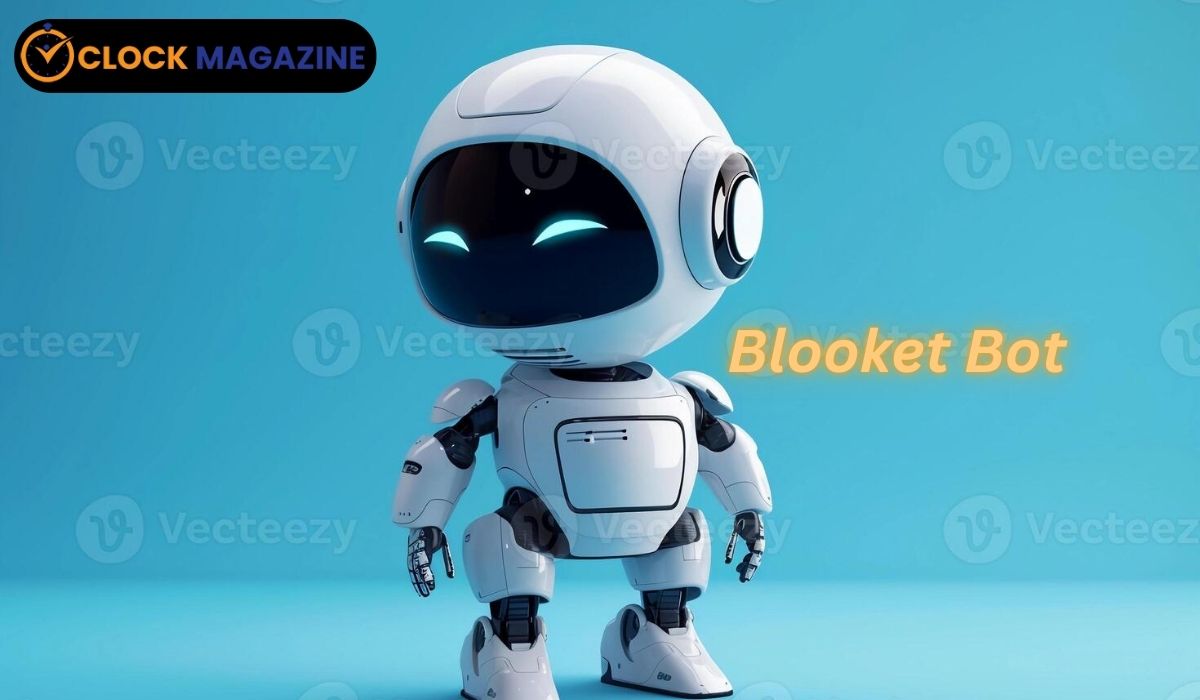
A Blooket Bot is a tool or script designed to automatically join a Blooket game session, often adding fake players or manipulating gameplay. While some students see it as a harmless trick, teachers often view it as disruptive and unfair. This article explores how bots compare to real players, how they affect classroom learning games, and what students and educators should understand about their impact.
What Is a Blooket Bot?
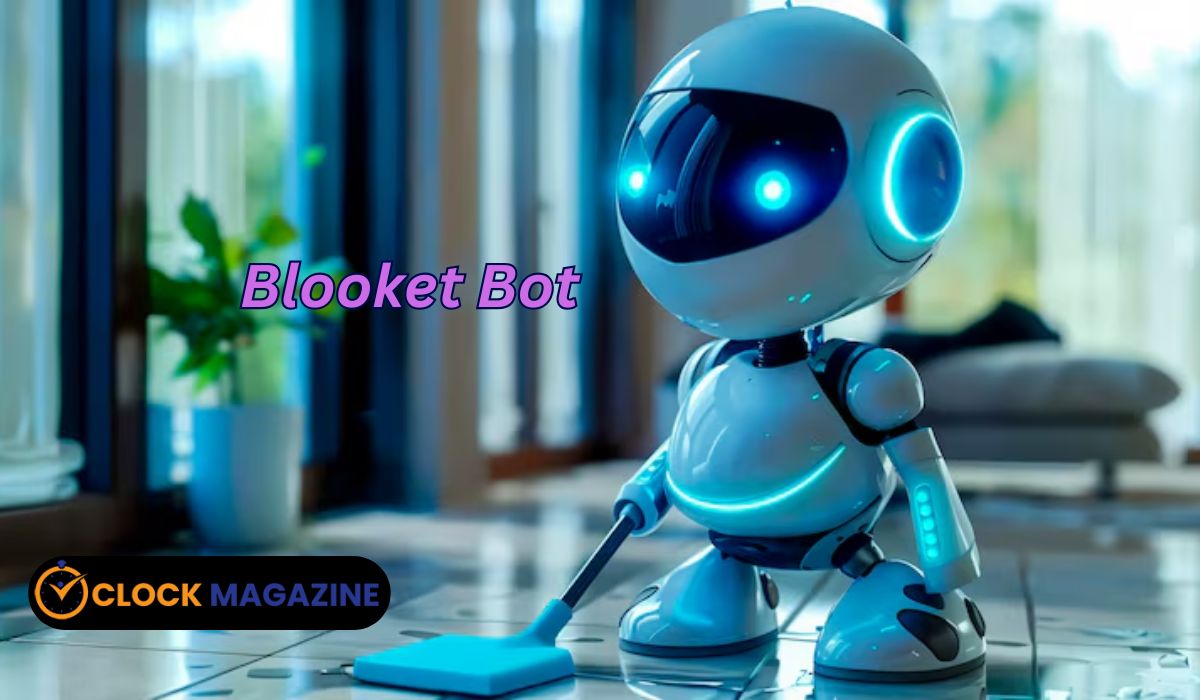
A Blooket Bot is not an official feature of the Blooket platform. It is usually a third-party script or automated tool created by outside users. Its main function is to automatically enter a game session multiple times using fake names or controlled accounts.
These bots can inflate the number of players in a session. In some cases, they are programmed to answer questions automatically, either randomly or with preset answers. This can disrupt classroom activities, especially when teachers rely on real-time feedback and participation to guide instruction.
While some students use such tools out of curiosity, others use them to try to win or disrupt a session. Regardless of the reason, these automated players change the structure of the game in ways that differ greatly from real student participation.
How Real Players Shape the Learning Experience
Real players bring human thinking, emotion, and effort into the classroom game. When students join a quiz session, they read each question carefully, think about the answer, and make decisions based on what they know. That process supports learning.
Classroom learning games are designed to reinforce knowledge, improve memory, and encourage healthy competition. Teachers can quickly see which topics students understand and which need more review. The value comes from honest participation.
Real players also bring social interaction into the game. Students laugh, celebrate wins, and even learn from mistakes together. These experiences build teamwork and confidence, which automated scripts cannot replicate.
How Bots Change Game Dynamics
When a Blooket Bot enters a session, the number of participants may increase suddenly. This can slow down the game or make it harder for teachers to manage the session. Fake names may appear in large numbers, which distracts students and disrupts focus.
If the automated tool answers questions, it can distort the scoreboard. Real students may feel discouraged if they are competing against something that does not think or learn. This removes the fairness that educational games are built on.
In some cases, bots may overload the session and cause technical issues. A classroom activity that should take 15 minutes might end early due to connection problems or system overload. This wastes valuable teaching time.
ALSO READ THIS :- Aneliz Alvarez-Alcala: Inside the Life of Pepe Aguilar’s Daughter and Her Family Legacy
Why Students Use a Blooket Bot
Students use bots for different reasons. Some are curious about how they work. Others may want to prank friends or test the system’s limits. A few might try to gain an unfair advantage.
Common motivations include:
-
Curiosity about coding and automation
-
Desire to win games quickly
-
Attempt to disrupt a session for fun
-
Interest in testing system limits
-
Peer pressure from classmates
While curiosity about technology is not wrong, using automation tools in live classroom games often creates problems. The short-term excitement rarely outweighs the negative impact on learning.
The Impact on Fairness and Competition
Healthy competition can motivate students to study harder and pay attention. When everyone plays fairly, the scoreboard reflects true knowledge and effort. This builds confidence in students who prepare and participate honestly.
A Blooket Bot removes that balance. When fake players or automated answers interfere, the results no longer represent real understanding. Students who try their best may feel frustrated.
Over time, this can reduce trust in the game itself. If learners believe the system can be manipulated easily, they may stop taking it seriously. That weakens the educational value of classroom quizzes.
Classroom Management Challenges for Teachers
Teachers use classroom quiz platforms to create structure and engagement. They plan lessons around these tools. When bots interfere, educators must stop the activity and troubleshoot.
This interruption can break student focus. Younger students especially may struggle to regain attention after a disruption. Teachers also need to investigate who may have introduced the automation tool, which can lead to discipline issues.
Managing digital classrooms already requires effort. Adding unauthorized scripts or automated players makes it more difficult. Instead of focusing on teaching, educators may need to focus on control and prevention.
Technical Risks and Security Concerns
Using third-party automation tools can also introduce security risks. Many bot scripts require users to copy and paste code into their browser or use unofficial websites. This exposes students to potential malware or harmful downloads.
Young users may not fully understand online safety. They may share personal information or click unknown links while searching for these tools. That creates risks beyond the classroom.
Schools often have digital policies in place to protect students. Using unapproved automation tools may violate these policies and result in disciplinary action. It can also lead to temporary bans from the platform.
Educational Value: Human Thinking vs Automation
Learning happens when students actively think. When a person reads a question, recalls information, and selects an answer, the brain strengthens memory connections. This mental effort is what makes quiz games powerful.
Automation tools remove that thinking process. Even if a bot selects correct answers, it does not learn. It does not improve skills or build understanding.
Real players make mistakes, and those mistakes matter. They give teachers insight into gaps in knowledge. A classroom quiz filled with fake responses provides no useful data for instruction.
ALSO READ THIS :- How Olivia Jade and Jacob Elordi Are Redefining Celebrity Relationships in 2026
Ethical Considerations in Digital Learning
Digital learning environments teach more than academic subjects. They also teach responsibility and integrity. Students learn that fairness matters, even in games.
Using a Blooket Bot raises ethical questions. Is it fair to manipulate a learning activity? Does it respect classmates and teachers? These questions help students understand digital citizenship.
Building honesty in online spaces prepares young people for the future. As technology becomes part of everyday life, ethical behavior becomes more important. Classroom games are small but meaningful places to practice that behavior.
How Schools and Platforms Respond
Many learning platforms regularly update their systems to prevent automation abuse. Security improvements can limit the ability of fake players to join sessions. Teachers may also use private game codes and monitoring tools.
Schools often educate students about acceptable technology use. Instead of simply banning tools, they explain why certain behaviors harm learning. This approach encourages understanding rather than fear.
Clear classroom rules also help. When students know expectations, they are less likely to experiment in ways that disrupt others. Communication between teachers and students plays a key role in preventing misuse.
Are There Positive Uses for Automation Skills?
While disrupting a classroom game is not productive, the curiosity behind using automation tools can be redirected. Many students who explore scripts are interested in coding or programming.
Teachers can encourage these interests in a structured way. Coding clubs, technology classes, and supervised projects allow students to build skills without harming learning activities. Understanding automation itself is valuable when used responsibly.
Instead of misusing scripts, students can learn how digital systems work. That knowledge may lead to careers in software development, cybersecurity, or data science. The key difference is intention and context.
Encouraging Fair Play in Classroom Games
Promoting fair play requires both guidance and design. Teachers can rotate game formats, encourage teamwork, and explain the purpose behind quiz sessions. When students understand that games help them succeed on exams, they may value them more.
Positive classroom culture also matters. When students respect each other, they are less likely to disrupt activities. Group accountability can reduce misuse.
Open conversations about tools like a Blooket Bot help demystify them. Instead of treating the topic as forbidden, discussing it calmly allows students to ask questions and understand consequences.
Final Thoughts
Classroom learning games work best when they reflect real knowledge and honest participation. Real players bring effort, thinking, and collaboration into each session. That human element is what makes educational platforms powerful.
A Blooket Bot may seem harmless at first. It can look like a simple trick or a fun experiment. However, it disrupts fairness, reduces trust, and weakens the educational value of the activity. It can also create technical and security risks.
Technology in education should support growth, not undermine it. By encouraging integrity, responsible digital behavior, and curiosity in the right direction, schools can help students enjoy interactive learning while protecting its purpose. Fair competition, honest participation, and respect for others will always create a stronger classroom experience than any automated shortcut.
FAQs
1. What is a Blooket Bot used for?
A Blooket Bot is typically used to automatically join a game session, often adding fake players or answering questions through automation. It is not an official feature of the platform. Most uses involve pranks, testing limits, or trying to gain an unfair advantage.
2. Can using a Blooket Bot get a student banned?
Yes, using unauthorized automation tools can violate platform rules or school policies. This may result in temporary or permanent bans. Schools may also apply disciplinary measures depending on their guidelines.
3. Do bots improve learning outcomes?
No, automated players do not improve learning. They remove the thinking process that helps students remember and understand information. Real participation is essential for meaningful educational growth.
4. Why do some students try to use bots in classroom games?
Students may be curious about coding or want to experiment with automation. Others may try to win easily or disrupt the session. However, these actions often cause more harm than benefit.
5. How can teachers prevent bot activity?
Teachers can use secure game codes, monitor participation, and set clear classroom rules. Educating students about responsible digital behavior is also important. Open communication reduces misuse.
6. Is there a positive way to use automation skills?
Yes, automation skills can be valuable when used ethically. Students interested in scripting can explore coding classes or supervised projects. Learning programming in the right setting can lead to productive and rewarding skills.
FOR MORE CONTENT: CLOCKMAGAZINE